





























Your Complete Guide to Understanding and Managing Muscle Pain: From Types to Treatment
Learn about muscle pain types (skeletal, smooth, cardiac), common causes like DOMS and strains, chronic conditions, and how Flexura 200mg can provide effective relief. Complete guide with FAQs.
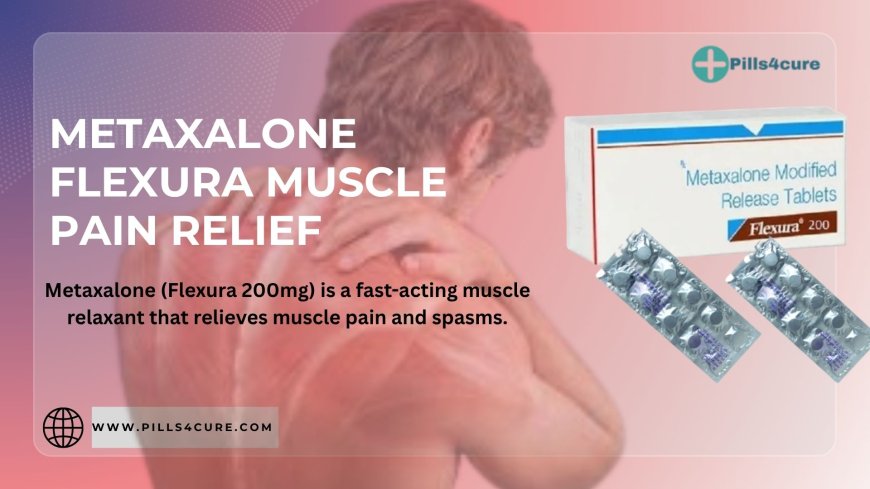
Muscle pain is something we've all experienced at some point in our lives. Whether it's that familiar ache after a challenging workout, the sharp twinge from sleeping in an awkward position, or the persistent discomfort that seems to linger for days, muscle pain can significantly impact our daily activities and overall quality of life. Understanding the different types of muscle pain, their causes, and effective management strategies including medications like Flexura 200mg can help you take control of your discomfort and get back to feeling your best.
Understanding the Three Types of Muscle Tissue and Their Role in Pain
Your body contains three distinct types of muscle tissue, each with unique characteristics and functions. Skeletal muscle is the type we're most familiar with these are the voluntary muscles that move our bones and joints. They're responsible for everything from walking and running to lifting objects and maintaining posture. When we talk about muscle pain, we're usually referring to skeletal muscle discomfort, as these muscles are most susceptible to injury and overuse.
Smooth muscle tissue operates involuntarily and is found in organs like the stomach, intestines, and blood vessels. While smooth muscle problems can cause discomfort, they typically manifest as digestive issues or circulatory problems rather than the classic muscle pain we associate with physical activity. Cardiac muscle, found exclusively in the heart, is specialized tissue that contracts rhythmically to pump blood throughout your body. Problems with cardiac muscle require immediate medical attention and present differently from typical muscle pain.
Understanding these distinctions is important because different types of muscle pain require different approaches to treatment. The muscle pain we'll focus on primarily involves skeletal muscle, which responds well to various pain management strategies including medications like Flexura 200mg contain active ingredient Metaxalone.
Common Types of Muscle Pain You Might Experience
Delayed Onset Muscle Soreness, commonly known as DOMS, is perhaps the most familiar type of muscle pain for active individuals. This discomfort typically appears 12 to 24 hours after intense or unfamiliar exercise and can last for several days. DOMS occurs when microscopic tears develop in muscle fibers during exercise, leading to inflammation and pain as the muscles repair themselves. While uncomfortable, DOMS is generally harmless and actually indicates that your muscles are adapting and growing stronger.
Muscle cramps represent another common form of muscle pain that can strike suddenly and intensely. These involuntary contractions can occur during exercise, at rest, or even while sleeping. Cramps often result from dehydration, electrolyte imbalances, or muscle fatigue. They're particularly common in the legs, feet, and hands, and while typically brief, they can be quite painful while they last.
Muscle strains occur when muscle fibers stretch beyond their normal range or tear partially. These injuries often happen during sports activities or sudden movements and can range from mild discomfort to severe pain depending on the extent of the damage. Strains commonly affect the hamstrings, quadriceps, and calf muscles, and they may be accompanied by swelling, bruising, and limited range of motion.
Tendinitis, while technically affecting the tendons that connect muscles to bones, often presents as muscle pain and stiffness. This condition develops when tendons become inflamed due to repetitive use or sudden injury. Common locations include the shoulders, elbows, wrists and ankles. Tendinitis can be particularly troublesome because it tends to worsen with continued activity and may require extended rest periods for proper healing.
Chronic Muscle Pain Conditions That Require Special Attention
Fibromyalgia is a complex chronic pain condition that affects millions of people worldwide. This condition causes widespread muscle pain, tenderness, and stiffness throughout the body, often accompanied by fatigue, sleep disturbances, and cognitive difficulties. The exact cause of fibromyalgia remains unclear, but researchers believe it involves abnormal pain processing in the central nervous system. People with fibromyalgia often describe their pain as deep, aching, and constant, with certain areas of the body being particularly sensitive to touch.
Myofascial pain syndrome is another chronic condition that causes persistent muscle pain and trigger points specific areas of muscle that are tender when pressed and may refer pain to other parts of the body. Unlike fibromyalgia, myofascial pain syndrome typically affects specific muscle groups rather than causing widespread pain. The condition often develops following muscle injury or repetitive strain and can be challenging to treat without proper intervention.
Polymyositis is a rare inflammatory muscle disease that causes muscle weakness and pain, primarily affecting the muscles closest to the trunk of the body. This autoimmune condition occurs when the body's immune system mistakenly attacks healthy muscle tissue, leading to inflammation and progressive muscle weakness. While less common than other muscle pain conditions, polymyositis requires specialized medical treatment and ongoing monitoring.
These chronic conditions differ significantly from acute muscle pain in that they persist over time and may require comprehensive treatment approaches that address both the physical symptoms and the impact on daily life. Managing chronic muscle pain often involves a combination of medications, physical therapy, lifestyle modifications, and sometimes psychological support.
Common Triggers and Causes of Muscle Pain
Injury is one of the most straightforward causes of muscle pain, whether it's a sudden trauma like a fall or collision, or a gradual injury from repetitive movements. Acute injuries often cause immediate pain and may be accompanied by swelling, bruising, or limited mobility. Even minor injuries can lead to significant discomfort if not properly addressed, as the body's inflammatory response works to protect and heal the damaged tissue.
Overuse is another major contributor to muscle pain, particularly in our modern lifestyle where many people spend long hours in sedentary positions followed by intense exercise sessions. When muscles are subjected to more stress than they can handle, whether from excessive exercise, poor posture, or repetitive work activities, they can become inflamed and painful. This type of pain often develops gradually and may not be immediately apparent.
Infections can also trigger muscle pain, even when the infection doesn't directly affect the muscles themselves. Viral infections like the flu commonly cause widespread muscle aches and pains as part of the body's immune response. Bacterial infections, while less common, can sometimes directly affect muscle tissue, leading to more severe pain and potential complications if not treated promptly.
Certain medications can cause muscle pain as a side effect, with cholesterol-lowering drugs called statins being among the most well-known culprits. Other medications, including some blood pressure medications and certain antibiotics, may also contribute to muscle discomfort. If you suspect your medication is causing muscle pain, it's important to discuss this with your healthcare provider rather than stopping the medication abruptly.
How Flexura 200mg Can Help Manage Your Muscle Pain
Flexura 200 mg (Metaxalone tablet) is a muscle relaxant medication that can provide significant relief for various types of muscle pain and discomfort. This medication works by targeting the central nervous system to reduce muscle spasms and tension, making it particularly effective for conditions involving muscle stiffness and involuntary contractions. When muscles are tight and painful, Flexura 200mg tablet helps them relax, allowing for improved movement and reduced discomfort.
The medication is especially beneficial for acute muscle pain conditions such as strains, sprains, and muscle spasms that result from injury or overuse. By reducing muscle tension and spasms, Flexura 200 mg tab can help break the cycle of pain and muscle tightness that often perpetuates discomfort. This makes it easier to engage in gentle movement and physical therapy exercises that promote healing and prevent stiffness.
For chronic muscle pain conditions, Flexura 200mg can be part of a comprehensive treatment plan that includes other interventions such as physical therapy, stress management, and lifestyle modifications. While it may not completely eliminate chronic pain, it can significantly improve quality of life by reducing muscle tension and making daily activities more manageable.
It's important to understand that Flexura 200 mg works best when used as part of a complete treatment approach. The medication can provide the pain relief needed to allow for proper rest, gentle exercise, and other healing activities. However, addressing the underlying cause of muscle pain, whether it's poor posture, overuse, or an underlying medical condition, is essential for long-term relief and prevention of future episodes.
Availability and Where to Buy Flexura 200mg Online
Flexura 200mg is available via prescription, and reputable online pharmacies like pills4cure.com offer reliable delivery options across countries including the USA, UK, Australia and beyond. Make sure to order from verified platforms that require a doctors prescription and offer 24/7 customer support.
This ensures youre getting authentic, high-quality medication and not counterfeit or expired products
Flexura 200 mg Price on Pills4Cure (Sample Pricing)
|
Quantity |
Price (USD) |
Price per Tablet |
|
100 Tablets |
$70.00 |
$0.7.00 |
|
200 Tablets |
$130.00 |
$0.65.00 |
|
300 Tablets |
$180.00 |
$0.6.00 |
|
50 Tablets |
$40 |
$0.8 |
Lifestyle Strategies to Complement Your Pain Management
While medications like Flexura 200 mg (Metaxalone medication) can provide important relief, incorporating lifestyle strategies can enhance your overall pain management and promote faster healing. Regular gentle exercise, when appropriate, can help maintain muscle flexibility and strength while promoting blood flow to healing tissues. However, it's important to balance activity with adequate rest, especially during acute pain episodes.
Proper hydration and nutrition play crucial roles in muscle health and pain management. Staying well-hydrated helps maintain muscle function and can prevent cramps, while ensuring adequate intake of nutrients like magnesium, potassium, and protein supports muscle recovery and function. Anti-inflammatory foods such as fatty fish, leafy greens, and berries may also help reduce muscle inflammation and pain.
Stress management is often overlooked but can significantly impact muscle pain, particularly chronic conditions. Stress can increase muscle tension and make pain feel more intense, creating a cycle that's difficult to break. Techniques such as deep breathing, meditation, gentle yoga, or simply engaging in enjoyable activities can help reduce stress and its impact on muscle pain.
Sleep quality is another crucial factor in muscle pain management. During sleep, your body repairs and regenerates muscle tissue, making adequate rest essential for recovery. Creating a comfortable sleep environment, maintaining consistent sleep schedules, and addressing any sleep disorders can significantly improve your body's ability to heal and manage pain.
When to Seek Professional Help for Muscle Pain
While many cases of muscle pain can be managed at home with rest, gentle movement, and over-the-counter treatments, there are situations where professional medical attention is necessary. Severe pain that doesn't improve with rest and basic care, pain accompanied by significant swelling or deformity, or pain that persists for more than a few days should be evaluated by a healthcare provider.
Signs that require immediate medical attention include muscle pain accompanied by fever, pain following a significant injury, or pain that's accompanied by numbness, tingling, or weakness. These symptoms could indicate more serious conditions that require prompt treatment.
For chronic muscle pain conditions, working with healthcare providers who understand these complex conditions is essential. This might include primary care physicians, rheumatologists, pain specialists, or physical therapists who can develop comprehensive treatment plans tailored to your specific needs and circumstances.
Remember that managing muscle pain effectively often requires patience and a willingness to try different approaches. What works for one person may not work for another, and finding the right combination of treatments, including medications like Flexura 200 mg (muscle relaxant Metaxalone) lifestyle modifications, and professional interventions, may take time. The key is to remain proactive about your health and work closely with your healthcare team to develop a plan that addresses both your immediate pain relief needs and your long-term health goals.
With proper understanding, appropriate treatment, and consistent self-care, most muscle pain conditions can be effectively managed, allowing you to return to the activities you enjoy and maintain a good quality of life.
Frequently Asked Questions About Muscle Pain and Flexura 200mg
Q1: How long does it take for Flexura 200mg to work for muscle pain?
A: Most people begin to feel relief from muscle tension and spasms within 30 minutes to 2 hours after taking Flexura 200 mg (Metaxalone). The full effects typically develop within 4-6 hours and can last for several hours, providing sustained relief from muscle discomfort and stiffness.
Q2: Can I take Flexura 200mg for everyday muscle soreness from exercise?
A: While Flexura 200 mg can be effective for exercise-related muscle soreness, it's typically reserved for more severe muscle spasms or acute pain rather than routine post-workout soreness. For everyday muscle soreness, gentle stretching, adequate hydration, and proper rest are often sufficient. Consult your healthcare provider to determine if Flexura 200mg is appropriate for your specific situation.
Q3: What should I avoid while taking Flexura 200mg for muscle pain?
A: When taking Flexura 200mg (Medication medication), avoid alcohol consumption as it can increase drowsiness and dizziness. You should also avoid driving or operating heavy machinery until you know how the medication affects you, as it can cause drowsiness. Additionally, be cautious with other medications that may cause drowsiness, and always follow your healthcare provider's instructions regarding proper dosing and timing.