





























What Parents Need to Know About ABA Therapy in Schools

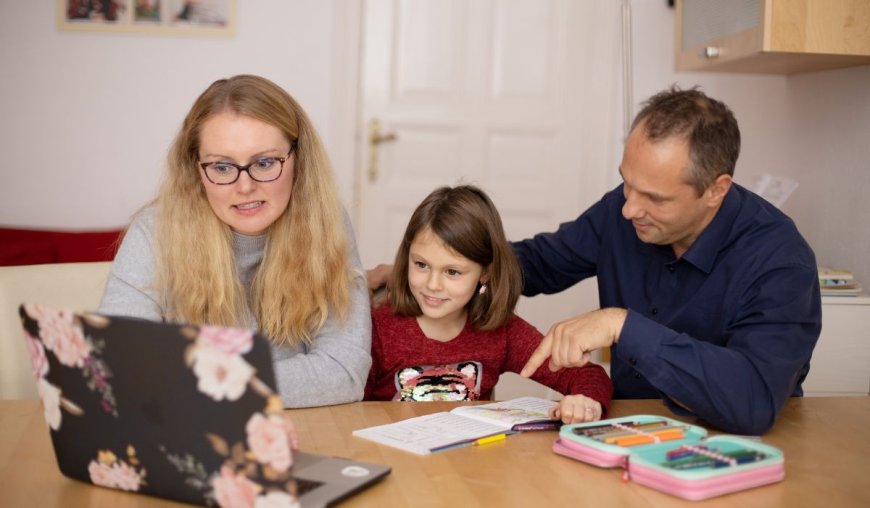
For parents of children with developmental challenges, especially those with autism, school can present a unique set of hurdles. From difficulties with attention and social interaction to managing routines and transitions, a childs ability to thrive in an academic setting may depend on the support services available. One powerful resource that more schools are integrating into their educational programs is Applied Behavior Analysis (ABA) therapy.
This article explores everything parents need to know about ABA therapy in schoolshow it works, its benefits, who provides it, and how to advocate for it effectively.
Understanding ABA Therapy in a School Setting
Applied Behavior Analysis (ABA) is a scientific, evidence-based approach that uses techniques and principles to bring about meaningful and positive changes in behavior. In a school setting, ABA therapists work closely with teachers, school staff, and families to help students improve social, academic, communication, and daily living skills.
School-based ABA therapy is not one-size-fits-all. It is tailored to meet the unique needs of each student and is often part of a broader Individualized Education Program (IEP) or 504 Plan.
Who Provides ABA Therapy in Schools?
In most school settings, ABA therapy services are delivered by:
-
Board Certified Behavior Analysts (BCBAs): These are highly trained professionals who assess students, create behavior plans, and supervise implementation.
-
Registered Behavior Technicians (RBTs): Under the supervision of a BCBA, RBTs work directly with the student on specific goals throughout the school day.
-
Special Education Staff: In some schools, trained staff use ABA principles, even if they are not formally certified.
The involvement of a trained ABA team ensures that goals are clearly defined, measurable, and data-driven.
What Services Can ABA Therapy Provide in Schools?
ABA therapy services in schools focus on several core areas:
1. Behavior Management
Children may engage in challenging behaviors that interfere with learning. ABA helps identify the root causes of these behaviors and implement strategies to reduce themreplacing them with more appropriate alternatives.
2. Social Skills Training
Many students with autism or other developmental disorders struggle with peer interactions. ABA therapists help children learn how to take turns, initiate conversations, and read social cuescritical skills for building friendships and navigating group work.
3. Classroom Transitions
Changing activities or environments can be particularly difficult for some children. ABA techniques can help make transitions smoother, reducing stress and improving classroom participation.
4. Academic Support
Using ABA, therapists can break academic tasks into smaller, manageable parts and reinforce progress, helping students master concepts at their own pace.
5. Communication Skills
ABA can assist nonverbal or minimally verbal students by using methods like PECS (Picture Exchange Communication System) or AAC (Augmentative and Alternative Communication) devices to foster better communication with peers and teachers.
Benefits of School-Based ABA Therapy
? Improved Behavior in the Classroom
ABA focuses on reinforcing positive behaviors and reducing disruptive ones, leading to a more productive classroom experience for both the child and their peers.
? Greater Academic Achievement
By helping children stay focused and complete tasks, ABA enables more meaningful participation in classroom activities.
? Better Home-School Consistency
When ABA is practiced both at school and at home, children receive consistent messages and reinforcement across environments, which strengthens learning.
? Enhanced Social Relationships
Children supported by ABA are often better equipped to interact with classmates, leading to improved social confidence and emotional well-being.
How Is ABA Integrated into the School Day?
ABA services can be delivered in various ways, depending on the schools resources and the childs needs:
-
One-on-one sessions in the classroom or resource room
-
Support during lunch, recess, or group activities
-
Collaboration with teachers to modify instruction or environment
-
Pull-out sessions for targeted skill-building
-
Consultation model where a BCBA provides strategies for the classroom teacher
The ultimate goal is for the student to generalize skills learned through ABA into all aspects of the school day.
Common Misconceptions About ABA in Schools
? "ABA is only for children with severe autism."
While ABA is widely used with children on the autism spectrum, it is also effective for students with ADHD, Down syndrome, anxiety disorders, and other developmental challenges.
? "ABA means isolating my child from the classroom."
Modern ABA emphasizes inclusion and works best when implemented in natural environments, such as the general education classroom, lunchroom, or playground.
? "My childs teacher can provide all the support they need."
While many teachers are excellent and caring professionals, ABA therapists bring specialized training in behavior science that complements a teachers instructional skills.
How Can Parents Advocate for ABA Services at School?
If you believe your child would benefit from ABA support at school, here are some steps you can take:
-
Request an Evaluation: Contact the school and ask for a behavioral or special education evaluation to assess your childs needs.
-
Bring Documentation: If your child is already receiving ABA therapy outside of school, bring progress reports and assessments to IEP meetings.
-
Know Your Rights: Under the Individuals with Disabilities Education Act (IDEA), children with disabilities are entitled to a Free Appropriate Public Education (FAPE), which may include ABA if its deemed necessary.
-
Collaborate, Dont Confront: Approach meetings with a team mindset. Ask questions, share concerns, and propose ABA goals in a constructive way.
-
Consider Private Options: If your school does not offer ABA therapy, you may seek services through private providers who can collaborate with school staff under a service agreement.
Questions to Ask Your School
When discussing ABA therapy services, consider asking:
-
Who provides behavioral support in the school?
-
Is there a BCBA or RBT on staff?
-
How are behavior intervention plans developed and monitored?
-
How is progress measured and communicated?
-
How can we ensure consistency between school and home?
Final Thoughts
School can be both exciting and overwhelming for children with unique learning and behavioral needs. ABA therapy offers a structured, evidence-based approach to help these students succeednot just academically, but socially and emotionally as well.
As a parent, your role in advocating for and supporting your childs educational journey is crucial. By understanding how ABA therapy works in schools and collaborating with educators and therapists, you can help ensure your child reaches their full potential.