























Understanding Testicular Varicocele: Diagnosis and Treatment Options
Explore how gym workouts may influence testicular health, especially in relation to varicocele. Learn causes, symptoms, and modern treatment options for long-term relief.

Introduction
In today's health-conscious world, fitness has become a daily priority for many. Whether you're a casual gym-goer or a hardcore bodybuilder, its normal to push limits to stay fit. But what happens when you start noticing a dull ache in your scrotum after an intense workout session? Or a strange, heavy feeling in your groin that wont go away? You might be dealing with a common but often overlooked condition varicocele testicular.
While hitting the gym doesnt directly cause varicocele, some exercises and lifting habits might contribute to its development or make existing symptoms worse. In this guide, well discuss causes, risk factors, and treatments offering a clear picture through the lens of
What Is Varicocele?
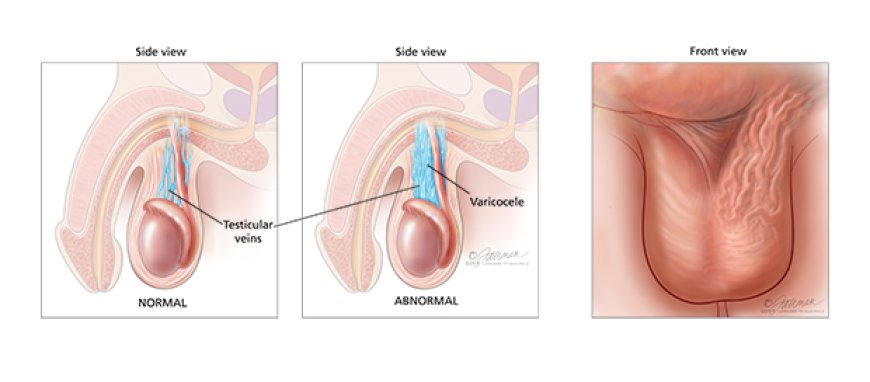
A varicocele is an abnormal enlargement of the veins within the scrotum, similar to varicose veins seen in the legs. These veins called the pampiniform plexus help regulate blood flow to and from the testicles. When these veins become dilated, blood pools in the scrotum, often causing discomfort, visible swelling, or even fertility issues.
Most commonly found on the left side, varicoceles can develop silently and gradually. Many men are unaware they have one until they notice pain, a lump, or problems with conception.
Common Causes and Risk Factors
Although the exact cause is often unclear, certain factors increase your chances of developing a varicocele:
-
Valve malfunction: Faulty valves in the spermatic veins can cause blood to back up, resulting in vein swelling.
-
Increased abdominal pressure: Frequent heavy lifting, constipation, or chronic coughing can raise pressure and worsen vein dilation.
-
Anatomy: The left testicular vein enters the renal vein at a right angle, making it more susceptible to blood pooling.
-
Family history: Genetics may play a role, especially if vascular issues run in the family.
Symptoms You Shouldnt Ignore
Not all varicoceles cause symptoms, but when they do, the signs can affect your daily life and reproductive health:
-
A dragging or heavy feeling in the scrotum
-
Dull or sharp pain that worsens with physical activity
-
Visible or palpable veins that feel like a bag of worms
-
Testicular shrinkage or asymmetry
-
Decreased sperm count or quality (in some cases)
These symptoms might be mild at first, but they can become more noticeable after standing for long periods, during intense workouts, or on hot days.
Is the Gym to Blame?
Lets be clear working out doesnt directly cause varicocele, but it can influence the condition, especially if you:
-
Regularly lift very heavy weights
-
Use improper breathing techniques (like holding your breath during lifts)
-
Dont allow adequate rest and recovery
-
Engage in intense core or abdominal workouts without proper form
These activities increase intra-abdominal pressure, which can restrict blood flow from the testicles and potentially worsen an existing varicocele.
Good news: You dont have to quit the gym. You just need to be smarter about how you train.
Smart Exercise Tips for Men with Varicocele
If you suspect or know you have a varicocele, heres how to protect your testicular health while staying active:
-
Avoid excessive heavy lifting: Choose moderate weights and focus on form over volume.
-
Practice proper breathing: Dont hold your breath; exhale during exertion.
-
Include low-impact exercises: Swimming, walking, and cycling (with breaks) improve circulation.
-
Wear supportive underwear: This helps minimize pressure and discomfort during workouts.
-
Take breaks: Dont overtrain. Recovery is just as important as reps.
-
Listen to your body: If something feels off in the groin area, stop and assess.
Anchor Section: Treatment and Diagnosis
Its essential to go beyond self-observation and seek medical evaluation if symptoms persist or worsen. Our in-depth guide on
Understanding Testicular Varicocele: Diagnosis and Treatment Options
walks you through how doctors diagnose varicocele and what your treatment options are.
From physical exams to ultrasound imaging and semen analysis, the diagnostic process is straightforward and often painless. Treatment varies depending on severity and fertility goals, ranging from lifestyle changes to surgical solutions like varicocelectomy or embolization.
Diagnosis: What to Expect
When you visit a urologist or mens health specialist, they will:
-
Perform a physical exam Often done while youre standing and bearing down (Valsalva maneuver).
-
Recommend a scrotal ultrasound To confirm the diagnosis and assess vein size and blood flow.
-
Suggest semen analysis If fertility is a concern.
-
Check for hormone levels To evaluate testosterone and other reproductive markers.
Early diagnosis not only reduces complications but also gives you a wider range of treatment options.
Treatment Options
Not all varicoceles require intervention. However, when they cause pain or impact fertility, treatment may be necessary. Options include:
1. Conservative Management
-
Wearing a jockstrap or snug underwear
-
Applying cold packs after exercise
-
Avoiding activities that trigger symptoms
-
Anti-inflammatory medications (with medical advice)
2. Surgical Options
-
Microsurgical varicocelectomy: Minimally invasive, with low recurrence.
-
Laparoscopic varicocelectomy: Slightly more invasive but effective.
-
Percutaneous embolization: A non-surgical option where a coil or solution blocks the faulty veins from within.
Each treatment type has its own benefits, risks, and recovery time. Your doctor will guide you based on your specific condition.
Living With Varicocele: What You Should Know
Living with varicocele doesnt mean compromising your lifestyle or fertility. With timely diagnosis and treatment, many men see improvement in symptoms and sperm quality. Here are a few things to keep in mind:
-
Monitor symptoms: Keep track of when and how symptoms appear.
-
Stay active, but mindful: Exercise is good just tailor it to your bodys needs.
-
Maintain a healthy diet: Foods that improve circulation and reduce inflammation (like leafy greens, omega-3s, and fruits) are helpful.
-
Stay hydrated: Good hydration helps reduce blood viscosity and improves flow.
-
Get regular checkups: Especially if youre planning to start a family.
Conclusion
Fitness and testicular health can and should coexist. While the gym isnt a direct cause of varicocele, certain habits and lifting techniques can contribute to the condition or make existing symptoms worse. Listening to your body, staying informed, and adjusting your workout routine can go a long way in managing or preventing discomfort.
If youre unsure about that aching sensation in your scrotum or concerned about your fertility, dont wait. Reach out to a specialist, and make use of educational resources like