

























Types of Wood Used in Industrial Crating: Pros and Cons
Discover the best wood types for your wooden crate. Compare materials for custom wooden crate and industrial wood crating with pros and cons.

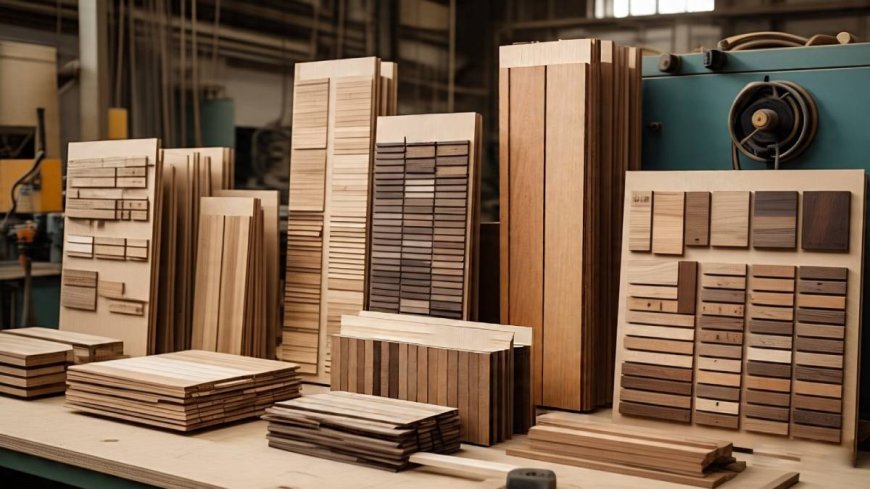
When it comes to product protection and safe transportation, few solutions match the durability of a well-constructed wooden crate. Whether shipping heavy machinery, delicate equipment, or export goods, selecting the right wood type is essential for performance, safety, and cost-efficiency.
Choosing the right material for your wooden crate depends on several factors strength, weight, cost, availability, and environmental conditions. In this article, we explore the most common wood types used in industrial wood crating, along with their pros and cons to help you select the ideal solution for your needs.
Why Wood Matters in Industrial Crating
A custom wooden crate serves as a protective shell, shielding products from damage during transport, handling, and storage. Wood is favored for its:
- Strength and load-bearing capacity
- Customizability for unique product dimensions
- Shock absorption and impact resistance
- Reusability and recyclability
- Compliance with international shipping standards (ISPM 15)
However, not all wood types offer the same performance characteristics. Understanding the differences between common wood varieties used in industrial wooden crate construction helps businesses optimize durability, cost, and safety.
Common Wood Types Used in Industrial Crating
1. Softwood (Pine, Spruce, Fir)
Softwoods like pine, spruce, and fir are among the most popular choices for building wooden crates, thanks to their availability, workability, and cost-effectiveness.
Pros:
- Lightweight, making handling and shipping easier
- Readily available and cost-efficient
- Easy to cut, assemble, and customize
- Suitable for light to medium-duty crates
- Can be heat treated to meet ISPM 15 standards for export
Cons:
- Less durable than hardwoods for heavy duty applications
- Susceptible to moisture damage if untreated
- Limited lifespan in harsh weather conditions
Best For: Light industrial equipment, consumer goods, export shipments where weight reduction matters.
2. Plywood
Plywood is an engineered wood product made by gluing together thin layers of wood veneer. It's widely used for custom wooden crate solutions requiring consistent strength and dimensional stability.
Pros:
- High strength-to-weight ratio
- Smooth, uniform surfaces for easy labeling or branding
- Resistant to warping and cracking
- Available in moisture-resistant and marine-grade varieties
- Allows precise customization for unique product dimensions
Cons:
- More expensive than raw softwood options
- Not ideal for extremely heavy loads unless reinforced
- Requires proper sealing for outdoor use
Best For: Electronics, medical equipment, delicate instruments, export crates with custom sizing requirements.
3. Hardwood (Oak, Maple, Birch)
Hardwoods such as oak, maple, and birch offer exceptional strength and durability for industrial wooden crate applications demanding high load capacities.
Pros:
- Superior strength for heavy-duty or high-value goods
- Greater resistance to impacts and environmental stress
- Long lifespan for reusable crates
- Suitable for stacking and high-load scenarios
Cons:
- Heavier, increasing shipping costs
- More expensive than softwood or plywood
- Requires advanced tools and skills for assembly
Best For: Machinery, automotive components, industrial equipment, and other heavy or high-value shipments.
4. OSB (Oriented Strand Board)
OSB is another engineered wood product created by compressing layers of wood strands with adhesives. It offers a cost-effective solution for certain industrial wood crating needs.
Pros:
- Affordable alternative to plywood
- Uniform strength and dimensional stability
- Good for short-term or disposable crates
- Readily available in various thicknesses
Cons:
- Less durable than plywood or hardwood
- Not suitable for prolonged outdoor use
- May swell or degrade if exposed to moisture
Best For: Temporary crating, domestic shipping, or one-way transport where cost savings are a priority.
5. Heat-Treated Wood (HT Certified)
For international shipping, many countries require wood packaging materials to comply with ISPM 15 standards, which often involves heat-treating the wood to eliminate pests.
Pros:
- Required for export compliance
- Reduces the risk of pest infestation
- Available in softwood, hardwood, and plywood varieties
- Marked with internationally recognized stamps
Cons:
- Adds processing time and costs
- Not a substitute for selecting the proper wood type based on load requirements
Best For: Any custom wooden crate intended for export, regardless of wood type.
Industrial Wood Crating: Choosing the Right Material
Selecting the appropriate wood for your industrial wooden crate depends on several key factors:
- Product weight and fragility
- Shipping distance and method (road, sea, air)
- Storage and environmental conditions
- Regulatory compliance for international shipments
- Budget and cost-efficiency requirements
A reputable packaging provider can help assess these needs and recommend the optimal material, whether thats cost-effective softwood, strong hardwood, versatile plywood, or engineered alternatives like OSB.
Pros and Cons Summary of Wood Types for Crating
| Wood Type | Pros | Cons | Best Used For |
|---|---|---|---|
| Softwood (Pine) | Lightweight, affordable, easy to work | Lower durability for heavy loads | Light to medium-duty crates |
| Plywood | Strong, smooth, customizable | Costlier than softwood, limited for extreme weights | Electronics, custom-sized crates |
| Hardwood (Oak) | Extremely durable, high load capacity | Heavy, expensive, harder to assemble | Machinery, heavy or high-value goods |
| OSB | Economical, stable, readily available | Limited durability, moisture-sensitive | Short-term, disposable crates |
| Heat-Treated Wood | ISPM 15 compliance, pest prevention | Added processing cost | Export shipments |
Custom Wooden Crate Solutions for Industrial Needs
Off-the-shelf crates may not meet the unique demands of industrial packaging. Investing in a custom wooden crate ensures your packaging is tailored to:
- Exact product dimensions and weight
- Specific shipping conditions and routes
- Required regulatory standards (e.g., ISPM 15)
- Branding, labeling, and handling requirements
With custom solutions, businesses can select the right wood type, crate design, and protective features to enhance safety, minimize product damage, and optimize logistics.
Conclusion:
Selecting the correct wood type for your wooden crate is essential to ensure product safety, regulatory compliance, and cost-effectiveness. By understanding the pros and cons of materials like softwood, plywood, hardwood, and engineered wood, you can make informed decisions that align with your packaging needs.
Whether shipping delicate electronics or heavy machinery, a well-designed custom wooden crate built with the right wood provides superior protection and peace of mind.
For businesses seeking reliable, durable, and compliant industrial wood crating, partnering with an experienced packaging provider is the smartest step toward safeguarding your products during transit.