



























How Microsoft Is Closing the Global Digital Divide
Discover how Microsoft is bridging the digital divide through global initiatives in education, infrastructure, and security for a more connected world.
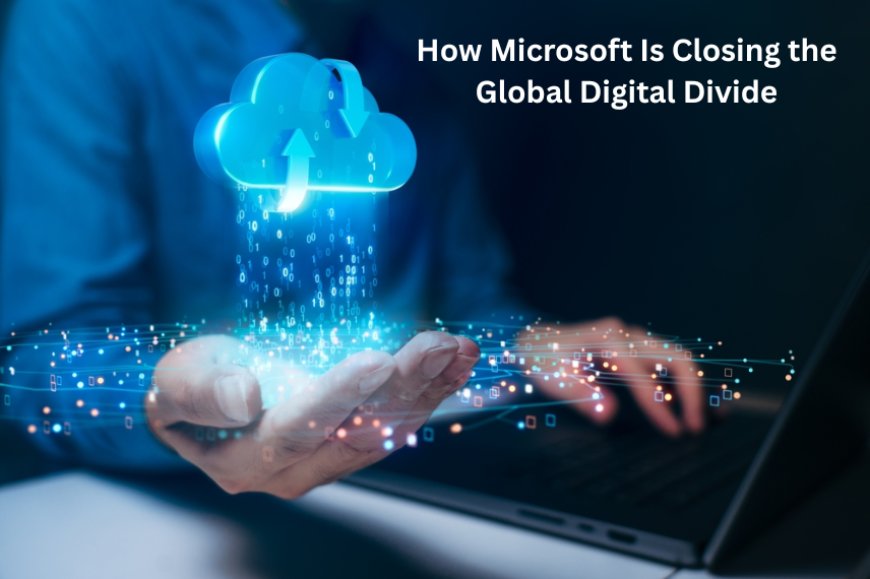
How Microsoft Is Bridging the Digital Divide with Global Initiatives
In todays hyperconnected world, internet access and digital skills are essential. Yet, nearly 2.6 billion people globally remain offline, according to recent UN data. Microsoft, a leader in global technology, has taken bold steps to address this disparity through several targeted initiatives aimed at promoting digital equity. From education to connectivity and cybersecurity, Microsofts mission is clear: empower every person and organization on the planet to achieve more.
For those seeking enterprise-level tech solutions that align with Microsoft's inclusive mission, services like Microsoft Integration Services Dubai offer businesses the ability to streamline operations and stay connected globally.
Understanding the Digital Divide
The digital divide is the gap between individuals who have access to modern information and communication technology (ICT) and those who do not. This includes access to the internet, affordable devices, and digital literacy. The divide is especially wide in rural regions, developing nations, and under-resourced communities.
Bridging this gap is not just about connectivity its about opportunity. Microsoft understands that and is leveraging its resources and influence to create long-lasting change.
Microsofts Airband Initiative
One of Microsofts most prominent programs, the Airband Initiative, aims to bring broadband connectivity to underserved rural communities around the world. Since its launch in 2017, Airband has expanded access to more than 50 million people, with a goal of reaching 250 million by 2025 100 million of whom are in Africa.
The initiative uses innovative approaches such as TV white spaces and satellite technology, working in partnership with local internet providers, governments, and nonprofits.
Digital Skills for the Future
Beyond internet access, Microsoft is investing heavily in digital literacy and job readiness. Its Global Skills Initiative, launched during the COVID-19 pandemic, helped over 80 million people in more than 180 countries access digital training in critical fields like data analysis, cybersecurity, and software development.
Through platforms like LinkedIn Learning, GitHub, and Microsoft Learn, the company ensures that individuals are not only connected but also capable of thriving in the digital economy.
Cybersecurity Support in Developing Regions
As more people come online, ensuring cybersecurity becomes increasingly important. Microsoft provides free or subsidized cybersecurity tools to governments and NGOs in low-income regions to protect critical data and infrastructure.
For example, Microsoft Defender Services Dubai offers advanced threat protection for organizations looking to bolster their cyber defenses supporting Microsoft's global aim to make cyberspace safer for all.
Education Transformation with Technology
In the education sector, Microsoft is transforming learning through digital tools, partnerships, and cloud-based solutions. From supplying Surface devices in classrooms to enabling remote learning with Microsoft Teams, the company has supported over 400 million educators and students worldwide.
Projects like Microsoft Education Transformation Framework are helping school systems reimagine learning environments, ensuring students gain 21st-century skills.
Empowering Nonprofits and Governments
Microsofts Tech for Social Impact (TSI) program offers cloud technology and grants to nonprofits and public-sector organizations. It helps them deliver services more effectively, from disaster response to public health.
To ensure sustainable digital inclusion, Microsoft works closely with local and regional governments, customizing support to suit specific socio-economic and cultural needs. Its not a one-size-fits-all solution its an adaptable, community-first approach.
Device Affordability and Accessibility
Microsoft also emphasizes affordable and accessible technology, including its work on low-cost Windows devices and accessibility features for users with disabilities. These efforts ensure that technology serves everyone, regardless of income or ability.
Initiatives like Microsoft Intune Services Dubai allow educational institutions and businesses to manage devices, enforce security, and provide remote access, making digital inclusion a practical reality.
Building a Digitally Inclusive Future
The digital divide is one of the defining challenges of our time. Microsofts commitment to closing that gap reflects its broader vision for a world where everyone regardless of geography or economic status can access the opportunities that technology offers.
Whether its improving broadband access in rural Africa, training the next generation of cybersecurity experts, or enabling smarter classrooms, Microsoft is pushing boundaries. These global efforts are made more impactful when aligned with trusted technology partners like SK Technology, who help implement Microsoft solutions at the local level.
As we look to the future, its clear that Microsoft isnt just building technology its building bridges.