



















Key Muscles Used in the Ashtanga Primary Series: Building Strength Through Breath and Movement
Ashtanga Yoga is a dynamic and physically demanding practice rooted in vinyasa—the linking of breath and movement.
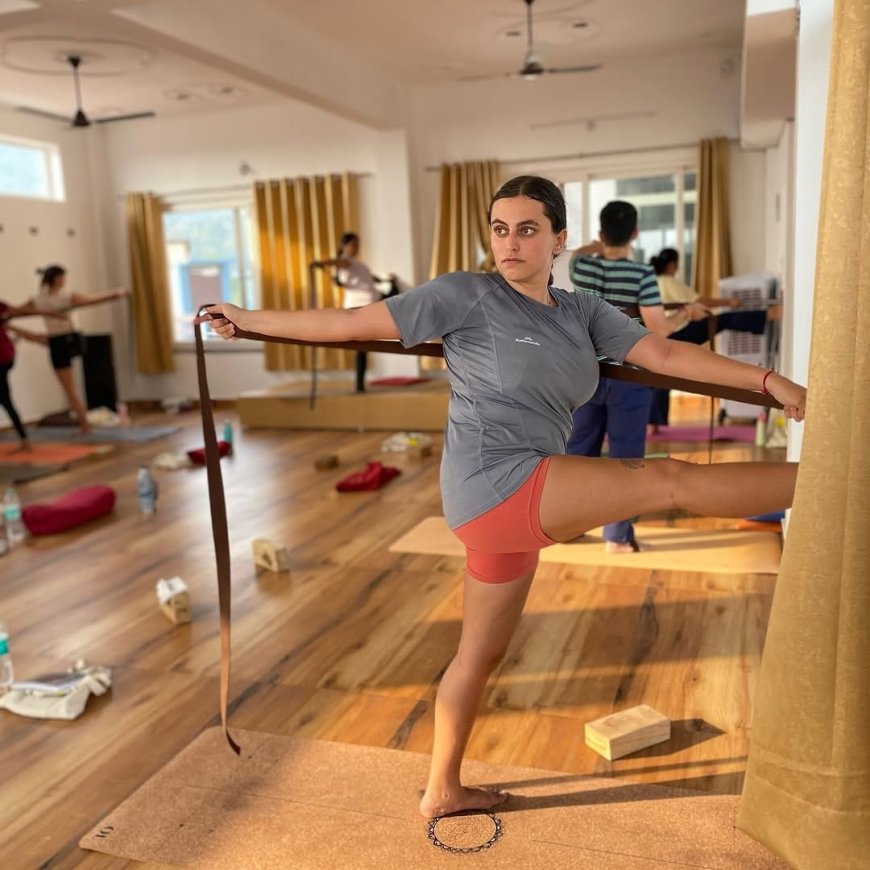
Ashtanga Yoga is a dynamic and physically demanding practice rooted in vinyasathe linking of breath and movement. The Primary Series, known as Yoga Chikitsa (yoga therapy), is the foundational sequence in this tradition. While it is therapeutic in nature, it requires significant physical engagement and awareness of the key muscles that support movement, balance, and alignment throughout the series.
Understanding the major muscle groups activated during the Primary Series can deepen your practice, prevent injury, and enhance body-mind connection.
Overview of the Ashtanga Primary Series
The Primary Series consists of around 75 asanas, sequenced in the following order:
-
Sun Salutations (Surya Namaskara A & B)
-
Standing Poses
-
Seated Forward Bends and Hip Openers
-
Backbends
-
Inversions and Finishing Postures
Each section emphasizes strength, flexibility, and breath awareness. Lets explore the key muscle groups engaged throughout the sequence.
1. Core Muscles The Stabilizing Center
The core is engaged in nearly every posture of the Primary Series. It includes:
-
Rectus Abdominis (front abdominal muscles)
-
Transverse Abdominis (deep core stabilizer)
-
Obliques (side abs)
-
Erector Spinae (spinal muscles)
Engaged In:
-
Plank variations in Sun Salutations
-
Navasana (Boat Pose)
-
Vinyasas between seated postures
-
Jump-backs and jump-throughs
Why It Matters:
A strong core supports spinal health, balances strength in arm balances, and helps with fluid transitions.
2. Shoulders and Upper Back Foundation for Arm Strength
Key muscles involved:
-
Deltoids (shoulders)
-
Trapezius and Rhomboids (upper back)
-
Rotator Cuff Muscles (stabilization)
-
Latissimus Dorsi (back side body)
Engaged In:
-
Chaturanga Dandasana
-
Adho Mukha Svanasana (Downward Dog)
-
Bhujapidasana, Bakasana (arm balances)
-
Vinyasa transitions
Why It Matters:
Proper engagement protects the shoulder joints, stabilizes the scapulae, and builds endurance in repeated vinyasa flows.
3. Arms and Wrists Strength and Stability
Key muscles:
-
Triceps and Biceps
-
Forearm Flexors and Extensors
Engaged In:
-
Chaturanga
-
Vinyasa transitions
-
Arm balances like Tittibhasana
Why It Matters:
Strengthening the arms and wrists is vital for safe, long-term Ashtanga practice, especially in demanding transitions.
4. Hip Flexors and Extensors Mobility and Stability
Muscles involved:
-
Psoas Major and Iliacus (Iliopsoas) major hip flexors
-
Gluteus Maximus and Medius hip extensors and abductors
-
Hamstrings extend the hips, flex the knees
Engaged In:
-
Seated forward bends like Paschimottanasana
-
Warrior poses and standing balances
-
Jump-backs and upward dog
Why It Matters:
Balanced hip strength and flexibility aid in deep forward folds, safe backbends, and leg control in jump-throughs.
5. Hamstrings and Quadriceps Stretch and Strength
-
Hamstrings: Biceps femoris, semitendinosus, semimembranosus
-
Quadriceps: Rectus femoris, vastus muscles
Engaged In:
-
Uttanasana, Padangusthasana (forward bends)
-
Jump-backs (eccentric hamstring control)
-
Virabhadrasana, Utthita Hasta Padangusthasana
Why It Matters:
Flexible hamstrings are essential for safe forward folds. Strong quads protect the knees and support standing poses.
6. Spinal Muscles Alignment and Extension
-
Erector Spinae
-
Multifidus
-
Quadratus Lumborum
Engaged In:
-
Urdhva Mukha Svanasana (Upward Dog)
-
Seated forward bends with flat back
-
Backbends and seated twists
Why It Matters:
Strong and supple spinal muscles maintain upright posture, protect the discs, and enhance alignment in backbends.
7. Gluteal Muscles Pelvic Control
-
Gluteus Maximus, Medius, and Minimus
Engaged In:
-
Standing balance poses
-
Backbends (to avoid overusing lower back)
-
Hip stabilization during transitions
Why It Matters:
Proper glute engagement helps maintain pelvic neutrality, especially in deep lunges and leg lifts.
8. Calves and Ankles Grounding and Balance
Muscles:
-
Gastrocnemius and Soleus (Calves)
-
Tibialis Anterior
Engaged In:
-
Standing poses
-
Balancing postures
-
Jump-backs and Down Dog
Why It Matters:
Strong and stable ankles support balance, protect joints, and contribute to graceful transitions.
How Muscle Awareness Improves Practice
-
Prevents injury by aligning effort with intention
-
Increases strength without overexertion
-
Deepens mind-body connection, aligning breath with movement
-
Supports longevity in your practice
Tips for Activating the Right Muscles in Practice
Warm up properly with Sun Salutations
Use bandhas (especially Uddiyana and Mula Bandha) to support core activation
Engage muscles gentlyavoid rigid contraction
Practice slowly and mindfully to feel the muscle groups
Use props or variations to maintain healthy alignment
Final Thoughts: The Strength Behind the Stillness
Ashtanga's Primary Series is often described as a moving meditationbut behind the grace lies a symphony of muscle engagement. With greater awareness of your bodys biomechanics, each pose becomes more than shapeit becomes an intentional act of strength, balance, and breath.
By understanding the muscles you use, you not only deepen your practice, but also develop the resilience and alignment needed to sustain it for years to come.
===============
Rishikul Yogshala Rishieksh
Yoga School in Rishikesh
To Enroll in 200 Hour Yoga Teacher Training in Rishikesh Visit:https://www.rishikulyogshalarishikesh.com/200-hour-yoga-teacher-training-rishikesh.php
| Address | Narayan Kunj, near, Ram Jhula, Swarg Ashram, Jonk, Rishikesh, Uttarakhand 249304 |
| Business Email | contact@rishikulyogshalarishikesh.com |
| Phone Number | 8433225327 |