
























Indigo Print Fabric – Tradition, Craftsmanship, and Timeless Appeal
Indigo print fabric stands as a timeless icon of handcrafted artistry, representing a rich cultural legacy passed down through generations.
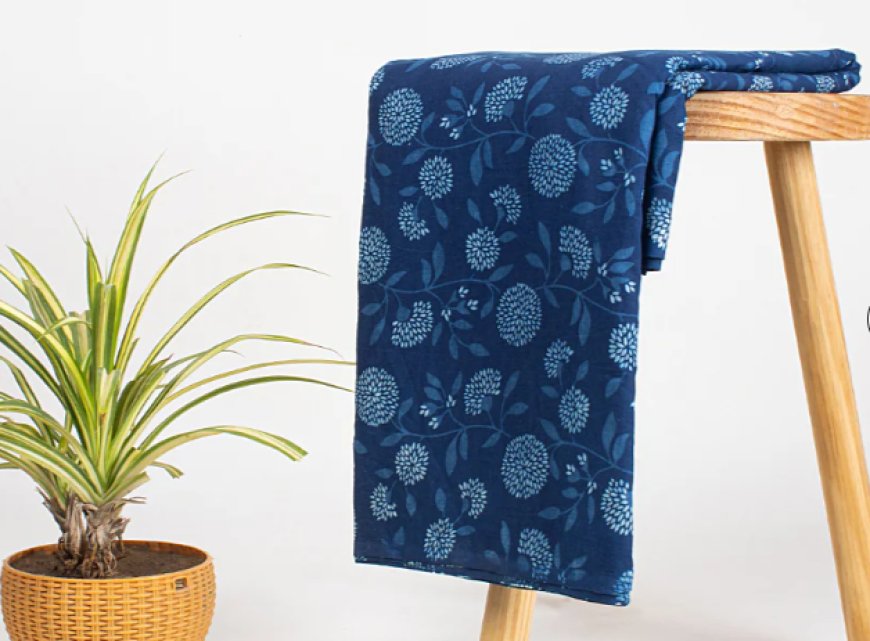
Indigo print fabric stands as a timeless icon of handcrafted artistry, representing a rich cultural legacy passed down through generations. With its deep blue hues, intricate hand-printed motifs, and natural dyeing techniques, indigo fabric is more than a textileit's a story woven into cloth. Across continents and cultures, indigo-dyed fabrics have retained their popularity for their aesthetic appeal, eco-friendliness, and craftsmanship.
Historical Origins of Indigo Fabric
The use of indigo dye dates back to ancient civilisations, including India, Egypt, and Mesopotamia. In India, indigo was cultivated as early as the Indus Valley Civilisation, with records showing that the dye was extracted from the Indigofera tinctoria plant. It became a major export and a highly prized commodity along the Silk Road and later across Europe during colonial times.
India, in particular, became a hub for block-printed indigo textiles, combining dyeing and hand-block printing into one of the most respected textile traditions. The dyeing process, deeply tied to village economies, evolved into both an economic engine and a cultural identifier.
How Indigo Dye Is Made
The natural indigo dye is derived from the Indigofera plant species. The leaves are fermented in water, releasing indoxyl, which oxidises and becomes the rich, blue pigment we recognise. Unlike chemical dyes,natural indigo is biodegradable, non-toxic, and sustainable, making it the preferred choice for eco-conscious consumers.
In India, traditional dyers (rangrez) often maintain multi-generational vats, preserving their families' indigo legacy. The dyeing process requires immense skill and patience, often taking days to complete one batch of fabric.
The Craft of Indigo Block Printing
Hand Block Printing Technique
The hand block printing of indigo fabric involves wooden blocks that are meticulously carved with intricate patterns. Artisans dip the block into a resist paste (usually made from mud or wax) and press it onto the fabric. Once printed, the fabric is dyed in indigo vats. The resist prevents the dye from reaching certain parts, resulting in detailed, contrasting designs.
This method is common in Indian regions like Bagru, Sanganer, and Kutch, each known for its unique indigo printing techniques.
Resist Dyeing Variants
The beauty of indigo print lies in its versatility. It incorporates various resist dyeing techniques, such as:
-
Dabu Printing A mud-resist method where fabric is stamped, covered with sawdust, and then dyed.
-
Shibori A Japanese tie-dye method involving folding, twisting, and binding fabric before dyeing.
-
Batik Uses wax as a resist to create complex patterns with sharp detail.
Each technique produces distinctive aesthetics, making every indigo print fabric a one-of-a-kind masterpiece.
Popular Motifs in Indigo Print Fabric
Traditional indigo prints often feature floral, geometric, and paisley patterns, symbolic in meaning and cultural heritage. Common motifs include:
-
Booti (small floral elements)
-
Leheriya (wave patterns)
-
Jaal (interlocking vines)
-
Elephants, peacocks, and other animals of spiritual significance
These motifs, originally inspired by Mughal and Rajput art, are still in use today, maintaining a strong link between modern fashion and ancient tradition.
Contemporary Applications of Indigo Fabric
Home Furnishings
Indigo print fabric adds an elegant, bohemian touch to home dcor, including:
-
Curtains
-
Cushion covers
-
Table runners
-
Sofa throws
Its bold blue palette provides a stunning contrast to neutral interiors, making it a favourite for interior designers globally.
Fashion and Apparel
Indigo fabric is a staple in ethnic and modern wardrobes. Youll find it in:
-
Kurtas and sarees.
-
Scarves and dupattas
-
Jackets and dresses
-
Handbags and accessories
Designers often mix indigo prints with other textiles like khadi, cotton, or silk to create fusion wear that bridges the traditional and the contemporary.
Craft and DIY Projects
Because of its durability and aesthetic versatility, indigo print fabric is widely used in:
-
Quilting
-
Tote bags
-
Wall hangings
-
DIY upholstery
The fabrics unique patterns and story-rich background make it especially popular among artisan markets and craft enthusiasts.
Why Choose Indigo Print Fabric?
Eco-Friendly and Sustainable
Natural indigo dyeing avoids the harsh chemicals found in synthetic dyeing. It uses less water and returns to the earth without harmful residues, making it ideal for sustainable living.
Handcrafted Excellence
Each yard of indigo fabric is the result of hours of manual labourfrom carving blocks to preparing resist pastes and repeated dyeing. This handcrafted nature ensures that no two pieces are ever the same.
Breathable and Comfortable
Often made from cotton or linen, indigo fabrics are breathable, skin-friendly, and suitable for all climates. They become softer with every wash, offering enhanced comfort over time.
Timeless Appeal
The deep, rich hue of indigo remains evergreen. Unlike trendy colours that fade with time, indigo has maintained its charm for centuries, continually reinventing itself in new styles and silhouettes.
Maintaining Indigo Print Fabric
Washing Tips
-
Wash separately the first few times to prevent colour bleeding.
-
Use mild detergents and cold water.
-
Avoid bleach or harsh chemicals.
-
Dry in shade to retain colour vibrancy.
Storage Advice
Store in a cool, dry place. For garments, use muslin bags or cotton covers to allow the fabric to breathe.
Ironing and Care
Use a warm iron on the reverse side. Avoid steaming directly on prints, especially those with wax or mud resist.
Conclusion Indigo Print Fabric Is More Than Just a Textile
It is heritage, sustainability, and beauty combined. Whether you're a designer, collector, or conscious consumer, indigo print fabric offers a perfect blend of aesthetic richness and ethical craftsmanship. Investing in this fabric means supporting age-old artisan communities, embracing eco-conscious living, and bringing timeless beauty into your wardrobe or home.