
























How to Handle Emergencies on the Everest Base Camp Route
Discover Nepal’s beauty on the Everest Base Camp Trek with scenic trails, glaciers, and rich Himalayan culture.
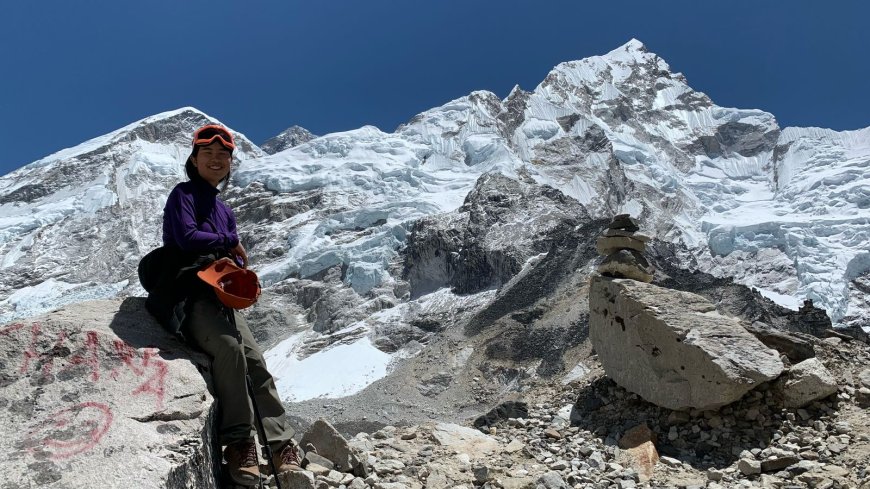
Trekking to Everest Base Camp is an amazing experience, but it comes with risks like high altitude, changing weather, and limited medical help. It's really important to prepare for emergencies to stay safe and feel secure. First off, give yourself enough time to get used to the altitude. Taking extra days on the trail can help your body adjust and lower the chances of getting sick from the height. Keep an eye out for signs of altitude sickness, such as headache, nausea, and dizziness, and dont ignore them. If you start feeling worse, head back down.
Make sure you have travel insurance that covers high-altitude trekking and emergency rescues. Getting airlifted from the Everest Base Camp Tour is pricey and often the only option if theres a serious issue. Check that your insurance has this covered before you hit the trail. Bring a first aid kit stocked with altitude meds like Diamox, rehydration salts, painkillers, and stuff for blisters. Having a satellite phone or GPS device like Garmin inReach is great for staying in touch when youre far from cell service.
Stay hydrated, eat well, and take breaks when needed to keep your energy up. Always hike with a guide or in a group since going solo can be risky. Local guides are usually trained in first aid and know how to get help quickly if needed. Pay attention to the weather and skip trekking during storms or heavy snow. If you get hurt, feel sick, or face bad weather, dont hesitate to ask for assistance.
Getting ready for emergencies ahead of time makes the trek to Everest Base Camp safer and more enjoyable. Being informed and prepared helps you handle whatever comes your way on the trail with confidence.
Common Emergencies on the Everest Base Camp Trek
When trekking to Everest Base Camp, you might run into different emergencies, with altitude sickness being the most common. Conditions like Acute Mountain Sickness (AMS), High Altitude Pulmonary Edema (HAPE), and High Altitude Cerebral Edema (HACE) can hit out of nowhere. Other risks include sudden changes in weather, slips and falls, snow blindness, hypothermia, and digestive troubles. It's really important to know about these risks ahead of time so you can avoid problems and act fast if needed. Keep an eye on how you feel at higher elevations, and dont brush off symptoms like bad headaches, confusion, or trouble breathing. Many issues come from not getting used to the altitude or overexerting yourself. Being aware of these dangers helps you respond quickly, making your trek safer. Always have a guide with first aid training. Make sure your group talks about these risks before heading out. Being prepared is essential for staying safe on the trek.
Preventing Altitude Sickness on the Everest Base Camp Route
Preventing altitude sickness is super important for anyone heading to Everest Base Camp. The main thing is to acclimatize gradually. This gives your body time to adjust to less oxygen as you climb. Heres a simple rule: climb higher during the day and sleep lower at night. Most itineraries have days set aside for acclimatizationdont skip them. Stay hydrated, cut back on alcohol, and eat energy-rich foods. Medications like Diamox can help, but only take them if a doctor recommends it. Pay attention to how you feelearly signs include headaches, nausea, and trouble sleeping. If symptoms get worse, go back down. Ignoring AMS symptoms can lead to serious issues like HAPE or HACE. Having a certified guide who knows about altitude sickness greatly improves your safety. Keeping pace slowly, checking your health regularly, and drinking enough water can really help prevent any sickness.
Contents of a High-Altitude Trekking First Aid Kit
Packing a good first aid kit is a must for emergencies on the Everest Base Camp trail. Start with any prescribed altitude medications like Diamox, then add pain relievers, rehydration salts, anti-diarrhea pills, and antibiotics in case of infection. Include adhesive bandages, antiseptic wipes, blister care items, gauze, medical tape, tweezers, and a thermometer. Dont forget lip balm, sunscreen, and high-SPF zinc for sun protection in the Himalayas. Throat lozenges and cough drops can also help, since the air can be really dry. Bring along a manual or app to help you use your kit in case of an emergency. If you have allergies, pack antihistamines and an EpiPen if you need it. Keep everything in a waterproof, easy-to-reach bag. Make sure to restock your supplies before the trek and let your guides know about any medical issues. A well-stocked first aid kit can help stop small problems from turning into big emergencies at high altitudes.
How to Get Evacuated from Everest Base Camp
If you need to be evacuated from Everest Base Camp, it usually happens by helicopter since thats the fastest option in serious situations. But keep in mind, helicopter rescues can be pricey, often several thousand dollars. So, having travel insurance that covers high-altitude evacuation is really important. Your trekking agency or guide typically handles the evacuation process. If someone shows signs of HAPE, HACE, severe injuries, or other serious health issues, the guide will call a helicopter service using a satellite phone or radio. Possible evacuation spots are EBC, Gorak Shep, or lower areas like Pheriche. You might be taken to hospitals in Kathmandu, such as CIWEC or Norvic. Always have copies of your passport and insurance info on hand. If youre trekking independently, renting a GPS communicator like Garmin inReach is a smart choice. Knowing how helicopter rescues work beforehand can help you react quickly and get the right medical care when needed.
Is Travel Insurance Required for the Everest Base Camp Trek?
Youu need comprehensive travel insurance for trekking to Everest Base Camp, especially one that covers high-altitude trekking and helicopter evacuations. Many trekking permits and tour operators wont let you start without proof of insurance. Altitude sickness, injuries, and weather delays are common, and helicopter rescues from EBC can cost over $5,000. Look for a policy that includes coverage up to 6,000 meters above sea level, along with trip cancellations, lost baggage, and emergency transportation. Before you buy, check that it covers trekking in Nepal and at Everest Base Camps altitude. Insurance is also helpful for non-medical issues like delays from weather, strikes, or missed flights. Keep printed and digital copies of your policy and emergency contacts with you. Having the right insurance keeps you safe and worry-free during your trek.
Can You Call for Help on the Everest Base Camp Route?
Communication on the Everest Base Camp trail can be tricky. You can get cell service in some spots with providers like Ncell, but its hit or miss, especially close to EBC or when the weather turns bad. To be really prepared for emergencies, its a good idea to bring a satellite phone or a GPS device like Garmin inReach or SPOT Gen4. These gadgets let you send SOS signals and keep in touch with rescue teams or family, even when your phone wont work. Many trekking companies provide satellite phones, so check before you head out. Some teahouses have Wi-Fi for a fee, but its not reliable in emergencies. If you're going solo, make sure to have a plan for communication before you set off. Always tell someone about your daily plans and when you expect you back. Being able to call for help in remote areas can be a lifesaver if you face serious issues like altitude sickness or injuries.
What Should You Do If You Get Injured While Trekking?
Injuries on the trek to Everest Base Camp can happen from falls, sprains, or slipping on rough ground. First thing, stop and check your injury. Dont put weight on it if its swollen or really painful. If youre with a group or a guide, theyll help you figure out if you can keep going or if you need to get medical help. Use your first aid kit to clean wounds, put on antiseptic, and stabilize any sprains. For minor issues, resting at a teahouse can help. For serious injuries, like fractures or deep cuts, you might need to be airlifted out. Always let your guide know about any injury, no matter how small, since issues can get worse at high altitude due to colder temperatures and less oxygen. To avoid injuries in the first place, use trekking poles, wear sturdy boots, and take it slow.
How Do Weather Conditions Affect Emergency Situations?
The weather is crucial when it comes to handling emergencies on the Everest Base Camp trail. Sudden storms or strong winds can make the trail slippery, limit what you can see, and slow down rescue efforts. Bad weather can also make altitude sickness worse, especially if you cant descend quickly. Helicopter rescues might be postponed until things clear up, which can leave you stuck. Always keep an eye on local weather forecasts, which guides and teahouses can provide. Dont trek during whiteouts or when the wind chill is too dangerous. The risk of hypothermia and frostbite goes up quickly in those conditions. Make sure to pack layered clothing, waterproof gear, and thermal protection. Being caught in bad weather without the right gear can quickly turn into a bigger problem. Its smart to plan extra days in your trip just in case you need to wait out the bad weather at a lower altitude. Understanding how the weather impacts your safety helps you prepare better for emergencies.
Should You Trek with a Guide for Emergency Preparedness?
Having a licensed guide can really help with emergency readiness on the Everest Base Camp trail. Guides know how to spot altitude sickness, provide first aid, and handle emergency communications. If something goes wrong, they can quickly set up rescue services, find alternate routes, and offer medical help. While you can trek solo, its riskier if you get sick or hurt and dont have anyone nearby. Most guides carry basic medical supplies, oxygen meters, and satellite phones, especially if youre on a guided trek. They check on your health every day and adjust the pace if needed. If you start feeling worse or if the weather takes a turn, a guide can make crucial decisions about when to descend or call for help. Choosing a reliable trekking agency that uses certified local guides means youll have support when you need it. For safety and peace of mind, hiring a professional guide is a good move on the Everest trail.
What Are the Emergency Contacts and Resources Available in Nepal?
Before you head out to Everest Base Camp, write down important emergency contacts and resources. The Nepal Tourism Board can help coordinate emergencies for trekkers. Local hospitals in Kathmandu, like CIWEC Clinic and Norvic International Hospital, are set up for medical care after rescues. Helicopter services like Simrik Air, Fishtail Air, and Altitude Air can evacuate you from the Khumbu region. Keep the contact numbers for your insurance providers emergency help team and your trekking agency on hand. The Nepal Police Tourist Division (dial 1144) is also helpful. While youre trekking, your guide or the teahouse owner can assist you if you need to make an emergency call. Always have a copy of your passport, insurance details, and emergency contacts, both on paper and digitally. Keeping this info organized ensures you can respond quickly during emergencies. You might also want to register your trek with the TIMS system (Trekkers Information Management System), which adds another layer of safety.
How to Avoid Altitude Sickness at Everest Base Camp
To steer clear of altitude sickness on your Everest Base Camp trek, take it easy and let your body adjust. It's smart to have some rest days in your plan, especially at places like Namche Bazaar (3,440m) and Dingboche (4,410m), to help your body get used to the altitude. Keep yourself hydrated, skip the booze, and munch on energy-rich snacks. Pay attention to early signs like headaches, nausea, or feeling tireddon't push on if youre not feeling right. You might want to think about taking Diamox (acetazolamide) with a doctors advice to help with adjusting. Always stick to the climb high, sleep low idea. Having a knowledgeable guide with you can make a huge difference in keeping an eye on your health. If you do start to feel worse, head down right awaywaiting could make things serious. Its way easier to prevent problems than to deal with them up high.
Whats the Toughest Day at Everest Base Camp?
The toughest day on the way to Everest Base Camp is usually the trek from Lobuche to Base Camp and back to Gorak Shep. You climb up to 5,364 meters (17,598 feet)the highest point of the trekbefore heading back down for the night. The altitude makes breathing tough, and you could end up walking for 810 hours, which is tiring. The path is rocky, the air is thin, and there might be strong winds. Plus, after days of hiking, youre already worn out, making this day a real test. Some people find the next morning, climbing Kala Patthar for sunrise views (5,545m), just as hard because its cold and steep. To deal with this challenging day, keep a steady pace, eat well, stay warm, and pay attention to how you feel. If you've acclimatized well earlier in the trek, youll have a better shot at making it through this tough day.
How Hard Is It to Breathe at Everest Base Camp?
At Everest Base Camp (5,364 meters or 17,598 feet), theres about 50% less oxygen than at sea level, which makes breathing a real challenge. Most trekkers find they get breathless, even when resting, and doing simple tasks can feel draining. Sleeping can be tough, too; some might wake up feeling like they cant catch their breath. While the trek doesnt involve technical climbing, the low oxygen levels can make everyday activities hard. Getting used to the altitude is super important to avoid serious sickness. You might feel dizzy, tired, or have headaches, but things usually get better if you take your time. Trekking slowly, drinking plenty of water, and taking days to acclimatize can help. If altitude hits you hard, you might find meds like Diamox useful for easier breathing. Its challenging, but with the right prep, most healthy folks can adjust to the thin air at Base Camp.
How Do I Get Ready for Everest Base Camp?
Getting ready for the Everest Base Camp Hike means a mix of training, packing, and learning about altitude. Start your training about 812 weeks ahead of time, focusing on cardio (hiking, stair climbing, running), strength, and building stamina. Try to mimic long climbs with a backpack on. Look into altitude sickness and how to prevent it, since high elevation is a big hurdle. Make sure your itinerary includes acclimatization days. Pack the right gear: layers for warmth, waterproof stuff, solid hiking boots, and a warm sleeping bag. Dont forget a first aid kit, water purification tablets, and altitude meds like Diamox. Get travel insurance that covers high-altitude rescue, too. Mentally prepare for cold temps, long days, and basic accommodations. Trekking with a good guide or agency can boost your safety. With the right prep, reaching EBC is tough but definitely a rewarding experience for adventurers.