























How Phenoxyethanol Preserves Your Favorite Skincare Products
In this article, we break down how phenoxyethanol preserves skincare products, how it works at the molecular level, why it’s preferred over other preservatives, and what you need to know as a consumer.

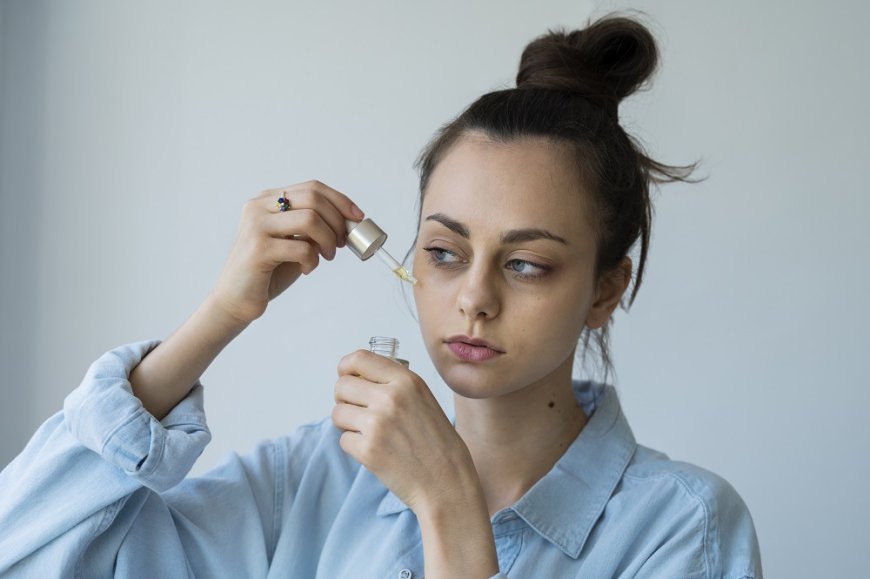
Ever wondered how your moisturizer stays fresh for months, even after youve dipped your fingers in it dozens of times? Or how your serum doesnt go bad despite constant exposure to air and light? The answer lies in a quiet but powerful ingredient: phenoxyethanol.
Used widely in modern skincare, phenoxyethanol for skin is a preservative that ensures the safety, stability, and longevity of your favorite products. But what does it really doand why is it essential in your skincare routine?
In this article, we break down how phenoxyethanol preserves skincare products, how it works at the molecular level, why its preferred over other preservatives, and what you need to know as a consumer.
What Is Phenoxyethanol?
Phenoxyethanol is a synthetic compound derived from phenol and ethylene oxide. It appears as a clear, slightly oily liquid with a faint, rose-like aroma and is commonly used in personal care and cosmetic formulations at concentrations below 1%.
Its primary role? To protect skincare products from microbial contamination, such as bacteria, fungi, and yeast that can develop once a product is opened and exposed to the environment.
Why Skincare Products Need Preservation
Most skincare products, especially those containing water, are highly susceptible to microbial growth. Every time you open a jar, squeeze a tube, or apply a product with your hands, theres a chance of introducing:
-
Bacteria
-
Mold
-
Yeast
-
Environmental contaminants
If left unprotected, these microbes can:
-
Spoil your product (changing texture, smell, or color)
-
Degrade active ingredients (making them ineffective)
-
Irritate your skin or cause infections
Thats why preservatives like phenoxyethanol for skin are not optionalthey are critical for product safety and effectiveness.
How Phenoxyethanol Works as a Preservative
Phenoxyethanol functions as a broad-spectrum antimicrobial agent, which means it targets a wide range of microorganisms. Heres how it preserves your products:
? 1. Disrupts Microbial Cell Walls
Phenoxyethanol penetrates the outer membrane of bacteria and fungi, disrupting the structure of the cell and leading to leakage of its contents. This kills or inhibits the growth of microbes.
? 2. Maintains Product Integrity
By keeping the formulation free of harmful microbes, phenoxyethanol helps maintain the integrity of the productincluding texture, scent, consistency, and active ingredients.
? 3. Works Across pH Levels
Unlike many natural preservatives that only work within a narrow pH range, phenoxyethanol is stable and effective in both acidic and neutral environments, which makes it incredibly versatile for all types of skincare formulas.
? 4. Long-Term Stability
Phenoxyethanol is resistant to degradation from light, heat, and oxygen, making it an ideal preservative for products that may be stored for months after opening.
Types of Products Preserved with Phenoxyethanol
Youll find phenoxyethanol in a wide range of skincare and personal care products, such as:
-
Moisturizers and face creams
-
Serums and eye gels
-
Cleansers and toners
-
Sunscreens
-
Foundations and BB creams
-
Micellar water and makeup removers
-
Baby lotions and gentle cleansers
Its especially popular in leave-on formulations, where product preservation is crucial to prevent microbial build-up over time.
Why Phenoxyethanol Is a Popular Preservative
? Broad-Spectrum Effectiveness
Phenoxyethanol works against gram-positive and gram-negative bacteria, fungi, and yeast, making it suitable for a variety of product types.
? Low Usage Levels
It is effective at concentrations as low as 0.51%, reducing the risk of irritation.
? Gentle on Skin
Compared to other preservatives, phenoxyethanol is less likely to cause allergic reactions or sensitivity, making it suitable even for sensitive skin formulations.
? Stable in Complex Formulas
It doesnt interact with other active ingredients like vitamin C, niacinamide, or retinol, preserving the efficacy of the overall formulation.
? Accepted in Clean Beauty
Though synthetic, phenoxyethanol is allowed in many clean beauty standards due to its safety profile, especially when used under 1%.
Comparison: Phenoxyethanol vs. Other Preservatives
| Preservative | Effective Against | Irritation Risk | Clean Beauty Approved? |
|---|---|---|---|
| Phenoxyethanol | Bacteria, fungi, yeast | Low | Yes |
| Parabens | Very broad | Moderate | No |
| Formaldehyde releasers | Broad | High | No |
| Essential oils | Limited | High | Sometimes |
| Alcohols | Limited | Moderate to High | Sometimes |
Phenoxyethanol stands out for being broad-spectrum, gentle, and stableideal for preserving products without compromising skin health.
Phenoxyethanol and Sensitive Skin
Phenoxyethanol is generally well-tolerated, even by those with sensitive skin. Its commonly included in:
-
Hypoallergenic formulations
-
Fragrance-free skincare
-
Dermatologist-tested products
-
Eczema- and rosacea-friendly lines
However, as with any ingredient, patch testing is advisable if you have very reactive or compromised skin barriers.
Safety of Phenoxyethanol in Skincare
? Regulatory Approvals
Phenoxyethanol has been reviewed and approved for cosmetic use by major global health organizations, including:
-
U.S. FDA
-
European Commission (Cosmetics Regulation)
-
Health Canada
-
Japanese Ministry of Health
-
Cosmetic Ingredient Review (CIR)
These organizations confirm that phenoxyethanol for skin is safe up to 1% in cosmetic formulations.
? Key Safety Facts:
-
Not a known carcinogen
-
Not an endocrine disruptor
-
Non-mutagenic at cosmetic levels
-
Rarely causes skin irritation at 1% or lower
Common Myths About Phenoxyethanol
? Its toxic.
Phenoxyethanol is only toxic at very high doses (far above whats used in skincare). At or below 1%, it is safe for topical application.
? It causes hormone disruption.
Unlike parabens, phenoxyethanol has no proven estrogenic activity or hormonal effects in cosmetic use.
? Natural preservatives are safer.
Natural alternatives like essential oils or alcohol-based preservatives often cause more irritation than phenoxyethanol.
Tips for Consumers
?? Read the Ingredient List
Phenoxyethanol is often listed toward the end of the INCI list, indicating low concentration.
?? Avoid Overuse
Using too many products with phenoxyethanol may increase exposure. Balance your skincare routine to minimize overload.
?? Choose Trusted Brands
Select brands that prioritize safety and transparency. Phenoxyethanol is a standard choice in dermatologist-recommended products.
Final Thoughts: PhenoxyethanolThe Unsung Hero of Skincare Preservation
Though it rarely gets attention, phenoxyethanol for skin plays an indispensable role in keeping your skincare products safe, effective, and long-lasting. As consumers demand cleaner, gentler, and more stable skincare, phenoxyethanol has become the go-to preservative for modern formulations.
Its broad-spectrum antimicrobial action, low risk of irritation, and regulatory approval worldwide make it an ideal preservative for both mainstream and sensitive-skin products.
So, the next time you reach for your favorite moisturizer or serum, remember: phenoxyethanol is quietly working behind the sceneskeeping your skin safe and your product fresh.