



























From Injury to Recovery: The Science Behind Wound Healing Stages
Discover the science behind wound healing stages, from clotting to tissue repair. Learn how each phase works, what to expect, and how to support faster, healthier recovery.

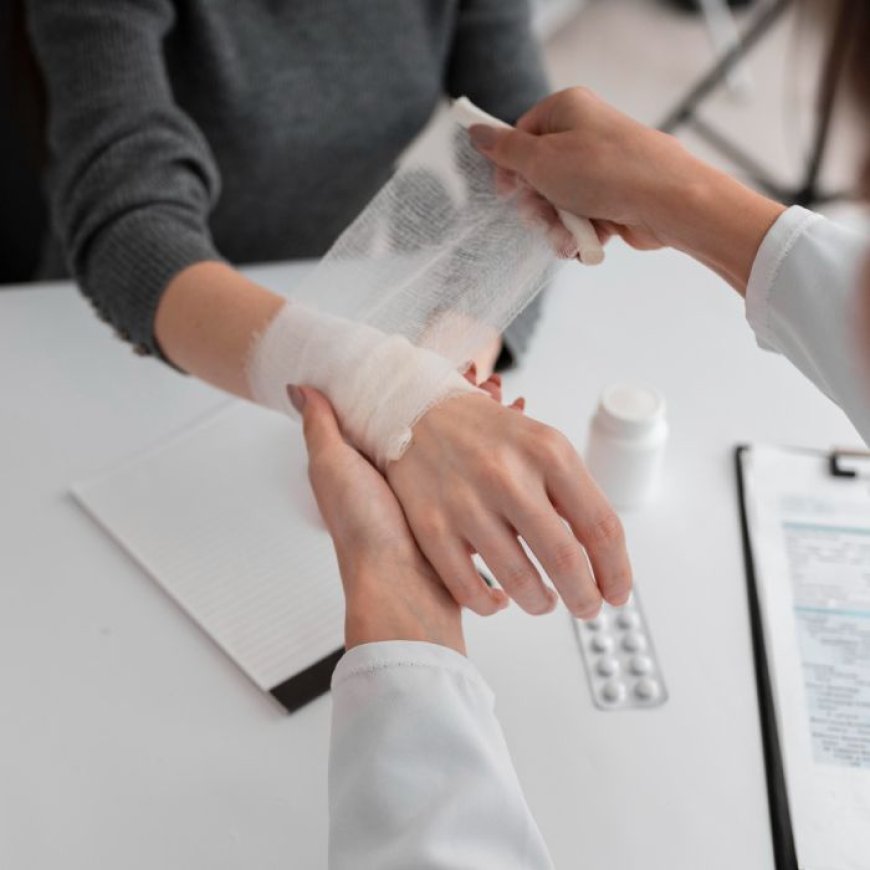
Wounds are an inevitable part of lifewhether from a scraped knee, a surgical incision, or a chronic health condition. But what many people dont realize is how remarkable and complex the bodys healing process really is. Behind every scab and scar lies a fascinating journey of cellular repair, immune defense, and tissue regeneration. This journey unfolds in a predictable biological sequence known as the wound healing stages.
Understanding the science behind these stages is essential for effective wound care and recovery. In this guide, well explore what happens at each stage of healing, how you can support the process, and why timely care is crucial for optimal recovery.
What Are the Wound Healing Stages?
The human body repairs wounds through a structured process consisting of four overlapping yet distinct stages:
-
Hemostasis Stops the bleeding
-
Inflammation Clears out damaged cells and pathogens
-
Proliferation Rebuilds tissue and blood vessels
-
Maturation (Remodeling) Strengthens and reshapes new tissue
Each of these wound healing stages plays a vital role in transforming an open injury into healthy, restored skin.
Stage 1: Hemostasis Controlling the Bleed
Timeline: Immediate to a few hours post-injury
Goal: Prevent blood loss and form a protective clot
The moment skin is broken, your body goes into emergency mode. Blood vessels constrict to minimize bleeding, and platelets (clotting cells) rush to the site. These platelets stick together to form a clot, which stops the bleeding and creates a temporary barrier against infection.
Fibrina fibrous proteinreinforces the clot and begins forming the scaffolding for new tissue. This is when a visible scab begins to form on the surface of the wound.
Signs of this stage:
-
Bleeding that gradually stops
-
Formation of a clot or scab
-
Slight swelling or redness
Stage 2: Inflammation Defense and Cleanup
Timeline: 1 to 4 days post-injury
Goal: Destroy pathogens and remove damaged tissue
Once bleeding is under control, the inflammatory stage kicks in. This is the bodys natural defense mechanism. White blood cellsespecially neutrophils and macrophagesflood the area to attack bacteria and clean up dead cells and debris.
Inflammation is essential for healing, but it must remain balanced. Excessive or prolonged inflammation can delay recovery or signal infection.
Signs of this stage:
-
Redness and swelling around the wound
-
Warmth at the injury site
-
Clear or slightly yellow drainage
-
Mild, manageable pain
Important note: If symptoms like redness, pain, or swelling worsen instead of improve, the wound may be infected.
Stage 3: Proliferation Tissue Rebuilding
Timeline: 4 to 24 days post-injury
Goal: Build new tissue and restore skin integrity
The proliferative stage is where the true rebuilding begins. Fibroblasts produce collagenthe protein that forms the structure of skin and connective tissue. New blood vessels form (a process called angiogenesis), delivering oxygen and nutrients essential for growth.
Granulation tissuea moist, red or pink tissuebegins filling the wound, providing a solid base for new skin cells to grow. Keratinocytes migrate across the wounds surface to regenerate the outermost layer of skin.
Signs of this stage:
-
Pink or red granulation tissue
-
Noticeable reduction in wound size
-
Less pain and inflammation
-
Early signs of scarring as tissue closes
Stage 4: Maturation Strengthening the Repair
Timeline: 3 weeks to several months (or longer)
Goal: Strengthen new tissue and reduce scarring
The final phase of wound healing is the maturation or remodeling stage. During this time, collagen is reorganized into stronger, more structured fibers. Blood vessels that are no longer needed begin to fade, and the wound continues to contract, making the scar smaller and less noticeable.
While the surface may appear healed, the underlying tissue continues to strengthen for weeks or even months after the injury.
Signs of this stage:
-
Decreasing redness and firmness
-
Scar tissue formation
-
Occasional itching or tightness as skin remodels
Why Do Some Wounds Heal Slowly?
While most wounds follow this orderly progression, some become stalled in one phaseparticularly the inflammatory stage. This leads to chronic wounds, which are common in individuals with:
-
Diabetes
-
Poor circulation
-
Weakened immune systems
-
Repeated trauma to the wound site
Chronic wounds may require advanced wound care, such as debridement (removing dead tissue), specialized dressings, or even hyperbaric oxygen therapy.
Supporting Your Body Through the Wound Healing Stages
To promote optimal healing, its important to support your body throughout each phase. Here are some essential wound care and lifestyle tips:
1. Keep the Wound Clean and Moist
-
Clean wounds with saline or gentle cleansersavoid harsh antiseptics like hydrogen peroxide unless instructed.
-
Use proper dressings to maintain moisture, which accelerates healing.
2. Eat a Nutrient-Rich Diet
-
Focus on foods high in protein, vitamin C, zinc, and vitamin A to boost tissue repair.
-
Stay hydrated to support cellular function.
3. Avoid Smoking and Alcohol
-
Smoking reduces blood flow and oxygen delivery, delaying healing.
-
Excessive alcohol can impair immune function and increase inflammation.
4. Manage Underlying Conditions
-
Keep blood sugar, blood pressure, and other health issues well-controlled to avoid complications.
5. Monitor the Wound Daily
-
Look for signs of infection, such as worsening redness, pus, or fever.
-
Consult a healthcare provider if the wound doesnt improve within a week or shows signs of infection.
When to Seek Medical Help
You should consult a healthcare professional if:
-
The wound is deep, large, or caused by a dirty or rusty object
-
You notice pus, foul odor, or spreading redness
-
Pain increases over time instead of decreasing
-
You have a fever or flu-like symptoms
-
Healing has stalled for more than two weeks
Early intervention can prevent complications such as cellulitis, abscess formation, or sepsis.
The Role of Professional Wound Care
In cases of chronic wounds or high-risk patients, professional wound care may include:
-
Wound debridement (removal of dead tissue)
-
Advanced dressings that promote healing and control infection
-
Wound vac therapy (negative pressure wound therapy)
-
Topical or systemic antibiotics
-
Referral to wound care clinics or specialists
These approaches are designed to restart stalled healing and reduce long-term complications.
Summary: The Journey from Injury to Recovery
From the moment a wound occurs, your body begins a remarkable journey through the wound healing stageseach playing a specific role in restoring skin integrity and protecting your health. Understanding the science behind this process empowers you to take better care of your wounds and recognize when something is going wrong.
By maintaining good hygiene, proper nutrition, and routine monitoring, you can support your bodys healing and help wounds close faster, with fewer complications. And when wounds dont follow the expected path, professional care can get healing back on track.