




























Comprehending Your AC Warranty: What's Covered and What's Not
Learn what your AC warranty includes and excludes. Find advice for reliable air conditioning repair and legitimate claims.


When purchasing a new air conditioning system, its easy to get caught up in the specifications, energy ratings, and installation details. However, one element that often goes overlooked until something goes wrong is the warranty. An AC warranty is a crucial safety net that can save you from unexpected repair costs and system failuresprovided you understand what it actually covers. In this guide, well break down what is typically included in your AC warranty, what isnt, and how you can make the most of it, especially if you are relying on an air conditioning company London residents trust.
What Is an AC Warranty?
A formal assurance from the manufacturer or installer that specific parts of your air conditioning system will be repaired or replaced within a given time frame is known as an AC warranty. Warranties are designed to protect customers from defects in materials or workmanship, offering peace of mind that your investment is safeguarded.
There are usually three main types of warranties associated with air conditioners:
- Manufacturer Warranty: Typically covers key components like the compressor, coils, or internal parts for a set number of years after purchase.
- Installation Warranty: Provided by the installer, this covers faults or issues resulting from poor installation or workmanship, usually for 12 years.
- Extended Warranty: Bought separately, this adds extra years or broader coverage beyond the original warranty, offering longer-term protection.
Understanding which of these applies to your system is key, especially when it comes to making anair conditioning repair Londonclaim.
Whats Typically Covered in an AC Warranty?
While warranties vary between manufacturers and service providers, there are some common components that are usually covered:
- Compressor: As the core component of the AC system, compressors are usually covered by warranty for 5 to 10 years depending on the brand.
- Condenser Coil and Evaporator Coil: These key parts in the heat exchange process are typically covered under standard manufacturer warranties.
- Internal Mechanical Parts: Components like fans, motors, and circuit boards are often included as they are essential for system operation.
- Thermostats or Smart Controls: If your unit includes a thermostat or smart controller, it may be coveredcheck if supplied by the manufacturer.
- Labour (Sometimes): Some warranties offer limited labour coverage, but its not guaranteed and usually applies only through registered installers.
A reliable air conditioning company London based may also provide additional assurances if they handle both the supply and the installation.
Whats Not Covered in an AC Warranty?
Here are common exclusions:
- Improper Installation:The manufacturer may void the warranty for installation errors if your air conditioner was not installed by a certified or authorised technician.
- Lack of Regular Maintenance:Annual servicing by a certified technician is often mandatory.
- Physical Damage:Most warranties exclude coverage for damage caused by natural events, pets, pests, accidents, or user-related mishandling.
- Consumables:Parts like air filters, belts, fuses, and batteries are classified as consumables and are typically not covered by the warranty.
- Ductwork and External Wiring:Issues with ductwork or external wiring are considered outside the unit and aren't covered under standard AC warranties.
This is where working with a reputable provider for air conditioning repair London services comes in handythey can advise you on proper maintenance and keep your system warranty-compliant.
Manufacturer vs Installer Warranty
Knowing who to contact when something goes wrong can be confusing if you dont understand the difference between the types of warranties:
- Manufacturer Warranty: Only covers the unit and its core components. If theres a defect in the compressor, coil, or other internal parts, the manufacturer will likely handle the replacementbut not the labour unless specified.
- Installer Warranty: For example, if a system fails due to faulty setup, the installer is responsible for fixing it.
- Who to Contact?: If its a part failure, start with the manufacturer. If it's an operational issue soon after installation, contact your installer.
Maintain your service logs and receipts organised, and never neglect to read the fine print.
Extended Warranties: Are They Worth It?
Extended warranties can be a good investment, but not always necessary. Here are some considerations:
- Cost: Prices vary widelycheck with trusted providers or official websites for accurate extended warranty cost details.
- Peace of Mind: For long-term homeowners, extended warranties offer financial protection and fewer repair worries over time.
- Transferability: Many extended warranties can transfer to new owners, boosting your propertys resale appeal and value.
- Extra Labour Coverage: Extended plans often cover labour costs for repairs, unlike standard warranties that exclude such expenses.
Tips to Keep Your AC Warranty Valid
Here are ways to ensure you dont accidentally void your warranty:
- Register Your Unit: Many manufacturers require you to register the product within a short window after purchase.
- Use Certified Installers and Technicians: Hire professionals from anair conditioning company Londoncustomers recommend to avoid installation-related exclusions.
- Schedule Regular Maintenance: Book annual servicing with licensed professionals and keep all service documentation.
- Read the Terms Thoroughly: Understand your responsibilities, such as which parts need regular cleaning or what kind of usage is acceptable.
If unsure, ask your service provider or refer to the warranty handbook provided with your system.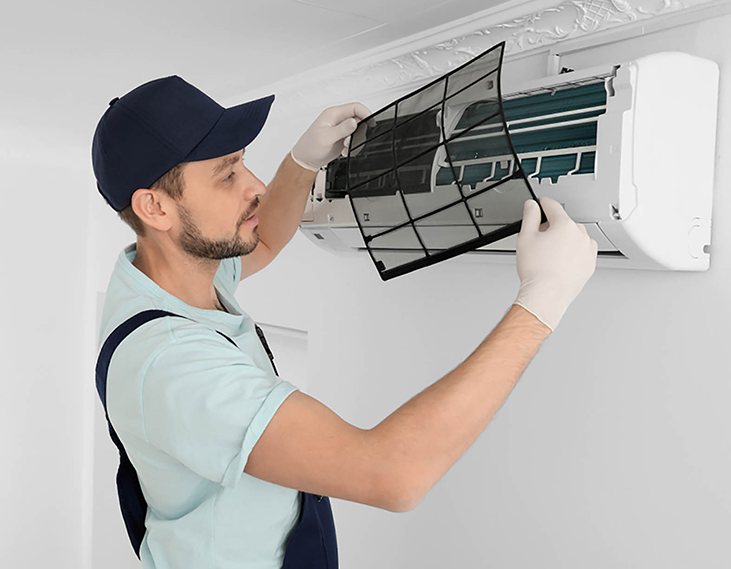
How to File a Warranty Claim
Filing a warranty claim doesnt need to be complicated if you follow the right steps:
- Identify the Issue: Record the AC problem, symptoms, and the exact dates they began to help support your warranty claim.
- Check the Warranty: Review your warranty terms to confirm coverage and ensure all conditions and maintenance requirements are met.
- Contact the Right Party: Determine whether the manufacturer or installer is responsible based on the nature of the issue.
- Provide Proof: Gather all required documentspurchase receipt, warranty card, service logs, and imagesto support your claim.
- Follow Up: Be patient and ready for inspections or approval delays; keep track of all correspondence until resolution.
Having a trusted provider for air conditioning repair London can simplify this process, as they often liaise with manufacturers on your behalf.
Conclusion
Understanding your AC warranty isnt just about knowing whats coveredits about avoiding surprises, making informed decisions, and ensuring your system stays in top shape for years to come. From recognising the difference between manufacturer and installer warranties to knowing the importance of certified servicing, being proactive can save you money and stress. For expert guidance, reliable maintenance, and honest advice, Hamilton Air Conditioning Ltd is a trusted name in the industry, delivering top-tier service and support to London customers with excellence and transparency.