




























Can Global Developmental Delay Be Improved with Therapy?
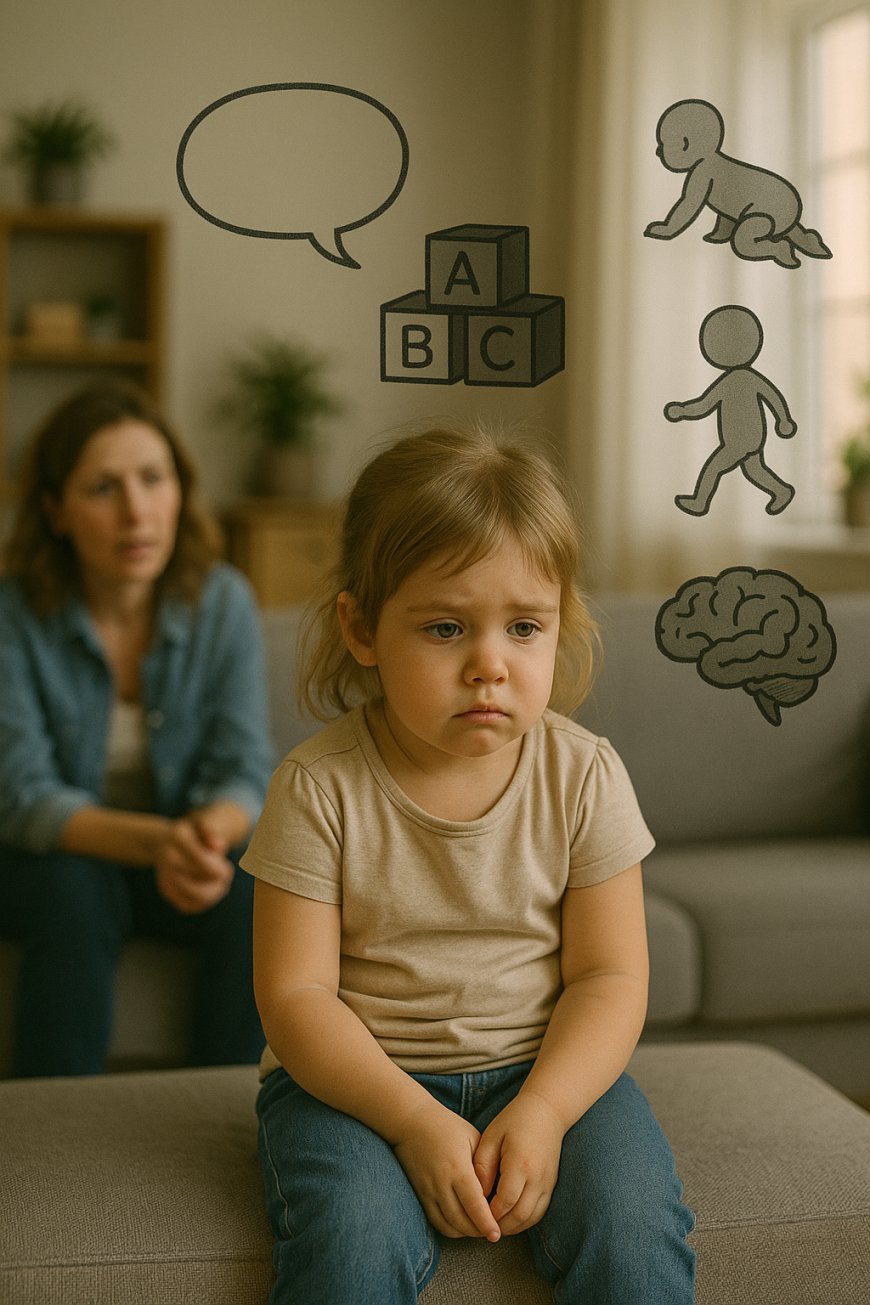
Therapy can play a significant role in improving the development of children with Global Developmental Delay (GDD). While there is no universal cure, early and individualised therapies—such as speech, occupational, physiotherapy, and behavioural therapy—can help children build crucial skills in communication, movement, and daily living. Customised treatment plans, often involving both professionals and parents, are key to steady progress. Although not all children fully catch up to peers, therapy can greatly enhance their independence and quality of life. Early intervention is essential for the best outcomes.

Short Answer:
Yes, therapy can significantly improve the developmental progress of children with global developmental delay, especially when started early and customised to the child's specific areas of need.
How Therapy Supports Development
Therapies target the core areas of delaysuch as speech, motor coordination, or social interactionand help the brain build new skills through guided, repetitive practice. For children with global developmental delay (GDD), these therapies provide structured opportunities to catch up on milestones and improve daily functioning.
The earlier these therapies begin, the more effective they tend to be, due to the brains higher plasticity during early childhood.
Types of Therapies That Help
1. Speech and Language Therapy
Many children with GDD struggle with communication. Speech therapists help develop understanding, vocabulary, sentence formation, and social use of language. In non-verbal children, alternative communication systems like sign language or picture boards may be introduced.
2. Occupational Therapy
This therapy focuses on fine motor development and daily living skills like dressing, brushing teeth, or using utensils. OT also helps with sensory issues, which are common in children with developmental delays.
3. Physiotherapy
To address difficulties with walking, balance, or coordination, physiotherapists use exercises and play-based routines that develop muscle control and body awareness.
4. Behavioural Therapy
Some children with GDD show behavioural challenges such as tantrums, hyperactivity, or emotional regulation issues. Behavioural therapists help them learn coping skills, follow routines, and improve attention spans.
Therapy Settings and Customisation
Therapies can be delivered in clinics, schools, or at home. Many children receive a combination of all three. Importantly, therapy must be tailored to each childs specific developmental profile. An individualised treatment plan (ITP) is often created after thorough assessments by professionals.
Therapy goals are set based on what the child currently struggles with and what is realistically achievable over the next 36 months.
Family-Centred Therapy
Parental involvement is critical. Therapists often train caregivers on how to continue exercises and strategies at home, turning daily routines into learning opportunities. For example, meal times can reinforce language, hand coordination, and following directions.
Therapists also educate families on what to expect and how to track developmental gains over time.
Can Therapy Fully Cure GDD?
Global developmental delay is not always permanent, but therapy does not guarantee full recovery. Instead, the goal is to help children maximise their potential, improve their independence, and reduce the impact of delays on their learning and quality of life.
Some children with GDD eventually catch up to peers, while others may continue to need support. Progress depends on the severity of the delay, the presence of other conditions, and how early therapy begins.
When to Start Therapy
Ideally, therapy should begin as soon as developmental delays are noticed. Early intervention programs in many countries provide free or low-cost services to children under five. Delaying therapy can limit the brains ability to make developmental gains.
Conclusion
Therapy can greatly improve outcomes for children with global developmental delay. With early, consistent, and individualised support, many children learn to communicate better, become more independent, and enjoy a better quality of life.
For more information visit global delay development treatment.