




























A Photographer’s Guide to Capturing Pakistan’s Natural Beauty

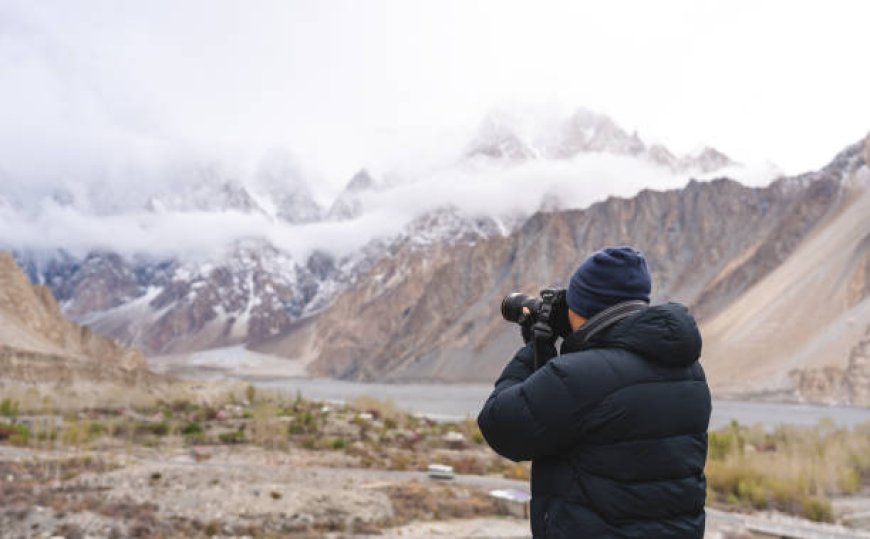
Pakistan, often described as one of the worlds most underrated travel destinations, offers a treasure trove of natural beauty for photographers. From snow-capped peaks and turquoise lakes to golden deserts and lush valleys, the country is a diverse canvas waiting to be captured through the lens. Whether youre a professional photographer or an amateur enthusiast, Pakistans landscapes promise breathtaking frames at every turn.
But photographing Pakistan isnt just about pointing your camera at the mountains. Its about understanding the landscapes, respecting cultural sensitivities, and knowing when and where to be for the best shots. This guide is designed to help photographers plan their dream photo journey through Pakistan, offering tips, locations, and practical advice to capture the country's natural beauty responsibly and creatively.
1. Why Pakistan is a Photographers Dream
Pakistans geographic diversity is astounding:
? The mighty Karakoram, Himalaya, and Hindu Kush ranges
? Serene lakes like Attabad, Saif-ul-Mulook, and Sheosar
? Vast alpine plateaus such as Deosai Plains
? Rugged deserts like the Katpana Cold Desert in Skardu
? Verdant valleys, rivers, and ancient villages in Hunza, Swat, and Fairy Meadows
Each of these landscapes presents unique photographic opportunities, whether you're interested in wide-angle shots, dramatic mountain portraits, or candid moments of rural life.
2. Essential Gear for Photography in Pakistan
While your creativity is the most important tool, the right gear ensures you make the most of Pakistan's landscapes:
? Camera Body
A DSLR or mirrorless camera with good low-light performance is ideal. Popular choices include the Canon EOS R series, Sony Alpha series, or Nikon Z cameras.
? Lenses
-
Wide-angle (16-35mm) for landscapes and night sky
-
Telephoto (70-200mm or longer) for mountain peaks and distant subjects
-
Prime lens (35mm or 50mm) for street and portrait shots
? Tripod
A sturdy, lightweight tripod is essential for long exposures, especially for sunrise, sunset, and astrophotography.
? Filters
ND and polarizing filters help manage exposure and enhance skies and water reflections.
? Drone (Optional)
Drone photography is allowed in some areas but restricted in others, especially near borders or military zones. Always check local regulations.
? Extras
Plenty of memory cards, spare batteries, weather protection gear, and a portable hard drive for backups.
3. Best Locations for Capturing Pakistans Natural Beauty
? Hunza Valley
Arguably Pakistans most photogenic destination, Hunza offers:
-
Passu Cones: Dramatic, jagged peaks ideal for sunrise and sunset shots
-
Attabad Lake: Vibrant blue waters and surrounding mountains
-
Eagles Nest: Panoramic views of Rakaposhi and Ultar peaks
-
Historic villages: Stone houses, fruit orchards, and friendly locals
Tip: Autumn (October) brings incredible golden foliage to Hunza Valley.
? Skardu and Baltistan
The gateway to the Karakoram, Skardu provides endless compositions:
-
Katpana Cold Desert: Sand dunes with snowy mountains in the background
-
Shigar Fort: A blend of history and landscape
-
Upper Kachura Lake: Crystal-clear water and lush surroundings
-
Deosai Plains: Rolling meadows, wildflowers, and wildlife
Tip: Visit Deosai during summer for vibrant wildflowers and clear skies.
? Fairy Meadows and Nanga Parbat
One of the most iconic photography spots in Pakistan, offering:
-
Majestic views of Nanga Parbat, the 9th highest mountain in the world
-
Starry skies and Milky Way photography at night
-
Lush green meadows and alpine forest scenes
Tip: Golden hour and blue hour provide the most stunning light for mountain shots.
? Swat and Kalam Valley
Known as the "Switzerland of the East," these valleys offer:
-
Ushu Forest: Towering pine trees and river scenes
-
Mahodand Lake: High-altitude lake surrounded by peaks
-
Village life: Traditional wooden houses and daily rural scenes
Tip: Winter brings snow-covered landscapes, while summer provides lush green valleys.
? Northern Deserts and Remote Valleys
Photographers seeking off-the-beaten-path locations can explore:
-
Rama Meadows near Astore for peaceful alpine scenes
-
Khaplu and Hushe Valleys for authentic mountain culture and dramatic peaks
-
Chapursan Valley for remote Wakhi villages and untouched landscapes
Tip: Respect local customs in these remote areas and always ask before photographing people.
4. Ideal Seasons for Photography
Timing is crucial for capturing the best of Pakistans natural beauty:
? Spring (March - May): Blooming orchards in Hunza, fresh greenery, and snow-capped peaks
? Summer (June - August): Best for high-altitude treks and alpine lakes, though some areas can be crowded
? Autumn (September - October): Golden foliage, fewer tourists, crisp clear skies ideal for landscape photography
? Winter (November - February): Snowy mountain scenes, fewer visitors, though some roads may be inaccessible
For astrophotography and clear night skies, summer and autumn offer the best conditions, especially in remote, light-pollution-free areas like Deosai or Fairy Meadows.
5. Cultural and Ethical Considerations
Photographing people and communities is a wonderful way to tell Pakistan's story, but always approach with respect:
? Always ask for permission, especially when photographing women or elders
? In religious sites, follow signage and local instructions regarding photography
? Respect military zones where photography is strictly prohibited
? Share photos with locals if possible it fosters goodwill
? Dress modestly and be culturally sensitive, especially in conservative areas
6. Practical Tips for Photographers in Pakistan
? Acclimatize properly at high altitudes to avoid fatigue, especially during treks
? Carry backup batteries cold temperatures drain them quickly
? Plan for limited electricity in remote areas; solar chargers can help
? Prepare for weather extremes, from scorching sun to freezing temperatures
? Work with local guides, who can take you to hidden viewpoints and help navigate cultural nuances
7. Telling a Story Through Your Lens
Great travel photography isnt just about pretty landscapes it's about telling a story. In Pakistan, your lens can capture:
? The resilience of mountain communities
? Ancient architecture blending with nature
? The vibrant contrast between tradition and modern life
? The raw, untouched wilderness of high-altitude plateaus
? Daily life along the Karakoram Highway
Approach each frame with curiosity and respect, and youll leave with more than just beautiful photos youll return with meaningful memories and a deeper understanding of this remarkable country.
Conclusion: Pakistan Through Your Eyes
Pakistan is a land of contrasts rugged yet delicate, wild yet welcoming, ancient yet evolving. For photographers, it offers not just landscapes, but stories waiting to be told through light, composition, and emotion.
With the right preparation, ethical approach, and sense of adventure, capturing Pakistans natural beauty is not only possible it's an experience that will leave a lasting impact both on your portfolio and your perspective.
So pack your camera, open your heart, and get ready to frame the wonders of Pakistan one breathtaking shot at a time.