





























Eco-Friendly Landscape Maintenance Practices That Save Money
Eco-Friendly Landscape Maintenance Practices That Save Money

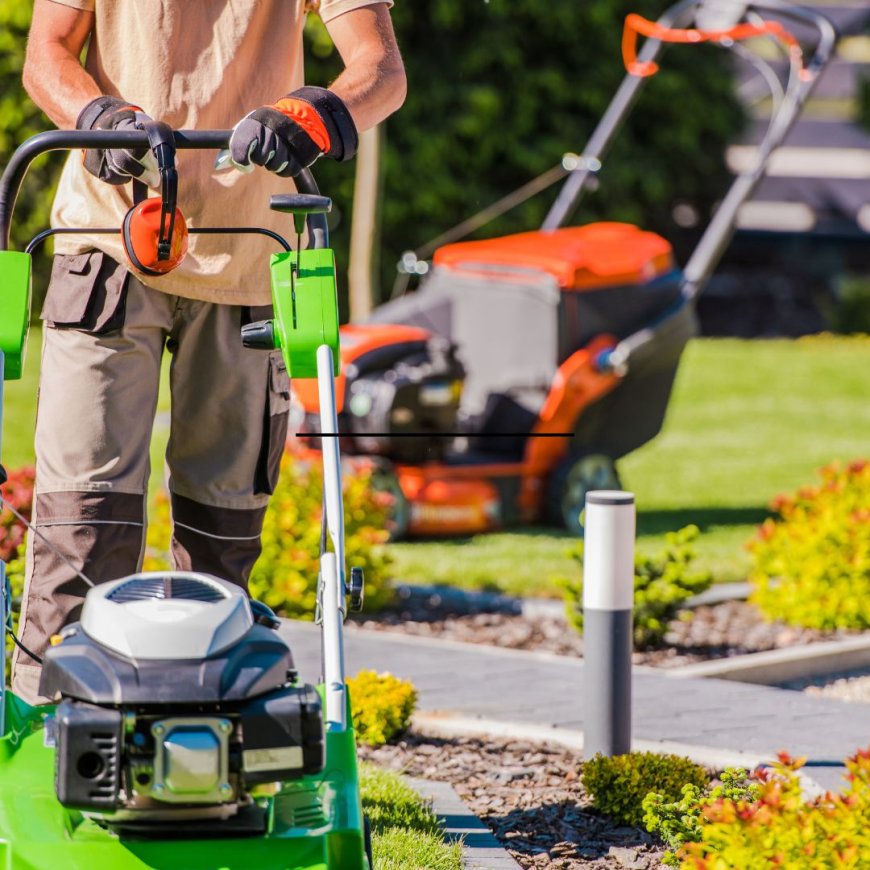
Maintaining a commercial landscape is about more than just appearanceit's about long-term sustainability and efficiency. Today, property managers and facility owners are increasingly embracing eco-friendly practices that not only support the environment but also help reduce operational costs. Smart landscape maintenance goes beyond aesthetics; its an investment in healthier landscapes, lower resource usage, and smarter operations.
In this article, well explore eco-friendly landscape maintenance practices that benefit both the environment and the budget, specifically for commercial properties such as office parks, campuses, municipalities, and community developments.
Why Eco-Friendly Landscape Maintenance Matters
Sustainable practices in landscape maintenance help reduce water usage, cut down on chemical inputs, and improve the long-term health of the land. For commercial properties, this translates to reduced utility use, fewer repairs, and more predictable maintenance schedules.
Water-Efficient Irrigation Systems
Smart Irrigation Controls
One of the most effective ways to conserve water is by using smart irrigation systems. These systems adjust watering schedules based on real-time weather data, soil moisture, and seasonal changes. This reduces overwatering and prevents runoff, keeping landscapes healthy while lowering water bills.
Drip Irrigation for Targeted Watering
Drip irrigation delivers water directly to the roots of plants, minimizing evaporation and reducing water waste. Its ideal for landscaped beds, shrubs, and foundation plantings commonly found in commercial settings. Over time, this method leads to stronger plant growth and decreased maintenance needs.
Native and Drought-Tolerant Plant Selections
Sustainable Plant Choices
Incorporating native or climate-adapted plants into a commercial landscape helps reduce dependency on supplemental watering and fertilizers. These plants are naturally suited to local environmental conditions, which means they require less maintenance overall.
Less Frequent Replacements
Because these plants are more resilient, they have lower mortality rates and often require fewer replacements. This results in long-term savings on plant materials and labor.
Organic and Slow-Release Fertilizers
Soil Health Over Short-Term Gains
Traditional fertilizers may show quick results but can lead to long-term soil degradation and runoff issues. In contrast, organic and slow-release fertilizers improve soil structure and promote consistent, healthy plant growth without the need for frequent reapplication.
Minimized Chemical Impact
Organic products reduce the risk of harming beneficial insects or contaminating water supplies. This approach also supports regulatory compliance, particularly in environmentally sensitive areas or commercial zones with stormwater systems.
Efficient Mowing and Mulching Practices
Mow High, Mow Less
Keeping grass at a slightly taller height (typically around 3 inches) helps shade the soil, reduce evaporation, and suppress weed growth. This means fewer mowings and less fuel use over timea simple adjustment with meaningful environmental impact.
Mulching for Moisture Retention
Using mulch around trees, shrubs, and in plant beds helps retain soil moisture, reduce weed growth, and regulate soil temperature. Organic mulches also break down over time, contributing to soil fertility and minimizing the need for additional inputs.
Composting and Green Waste Recycling
Reuse Onsite Green Waste
Instead of hauling away grass clippings, leaves, and plant trimmings, commercial landscapes can repurpose this material into compost or mulch. This reduces landfill contributions and creates a sustainable loop for maintaining soil health.
Reduced Hauling and Disposal
Recycling green waste onsite lowers hauling costs and disposal fees, while also promoting environmentally responsible maintenance practices.
Integrated Pest Management (IPM)
Prevent Before You Treat
IPM emphasizes monitoring, prevention, and the use of non-chemical control methods before turning to pesticides. This helps maintain a healthy balance in the landscape and minimizes the need for repeated chemical treatments.
Long-Term Landscape Health
By reducing reliance on pesticides, landscapes are more resilient and less susceptible to disease and pest outbreaks. Over time, this leads to less reactive maintenance and a more stable budget.
Seasonal Maintenance Planning
Aligning with Natural Cycles
Seasonal maintenance schedules that align with plant growth cycles and weather patterns can reduce waste and prevent overuse of resources. For instance, aerating and overseeding turf during appropriate seasons ensures better results with fewer inputs.
Fewer Emergency Fixes
Proper planning reduces unexpected repairs, such as irrigation blowouts or plant loss due to improper timing. Predictable scheduling leads to more efficient operations and cost control.
Adopting eco-friendly landscape maintenance practices isnt just about environmental responsibilityits about making smart, efficient choices for long-term savings and landscape health. From smart irrigation to native plants, organic fertilizers, and strategic seasonal care, sustainable methods support both the natural ecosystem and the financial performance of commercial properties.
Implementing these practices can lead to fewer inputs, reduced waste, and a more resilient landscape that continues to thrive. For property managers and commercial maintenance teams, eco-conscious strategies are not just an optiontheyre a smart path forward in landscape maintenance.