


























Why Builders Across the UK Prefer Steel Piles for Ground Stability
why builders across the UK choose steel pile foundations for strength, speed, and stability in all types of ground conditions.
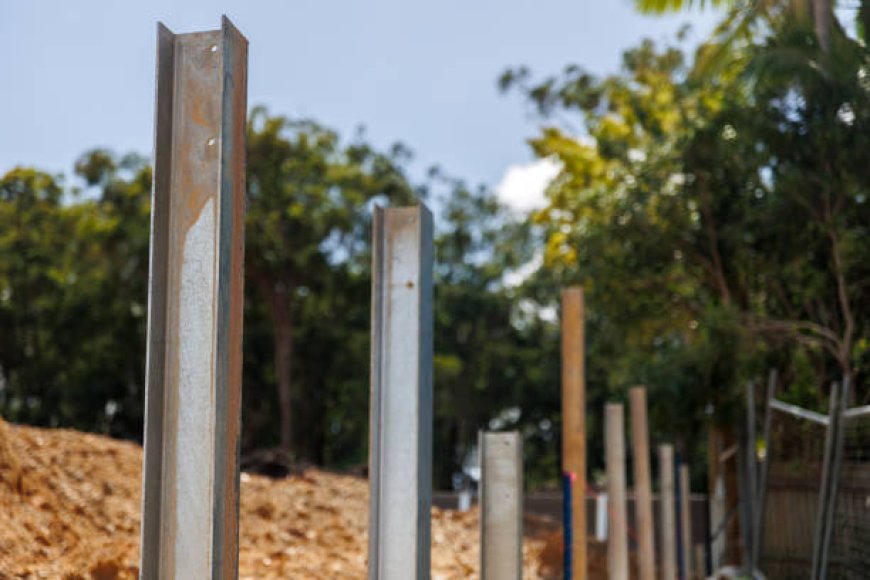
Ensuring ground stability is a crucial aspect of any construction project. Without a strong and dependable foundation, even the most well-designed structures can face serious issues over time. Among the different types of foundation systems available, steel pile foundations have gained immense popularity across the UK. Builders continue to prefer steel piles because of their strength, versatility, and ability to perform well in a wide range of soil conditions.
In an industry where time, cost, and safety all matter, the choice of foundation is more than just a technical decision its a strategic one. Steel piles have proven to be one of the most reliable and adaptable solutions available today, particularly for projects that involve weak ground or require deeper support layers.
The Rise of Steel Piling in Modern Construction
As construction projects become more ambitious, the need for foundations that can handle greater loads and function effectively in diverse terrains has increased. Steel piling has stepped in to meet these demands. Builders throughout the UK are turning to steel piles because they offer superior structural performance and can be installed quickly compared to traditional foundation systems.
From residential developments to commercial towers and infrastructure projects, the use of steel piles is no longer limited to niche applications. Instead, it has become a standard approach to ensure that buildings remain stable and safe throughout their lifespan.
Strength and Load-Bearing Capabilities
Steel piles offer exceptional strength due to the material's high load-bearing capacity. This makes them suitable for projects that involve heavy structures or high-rise buildings. Their ability to support substantial vertical and lateral loads gives builders the confidence to take on more complex projects without worrying about ground conditions.
Unlike concrete piles, which are often bulky and require curing time, steel piles are manufactured with precision and can be used immediately after installation. This speed and strength combination is especially appealing in locations where deadlines are tight and performance cannot be compromised.
Suitability for Difficult Soil Conditions
One of the main reasons builders across the UK prefer steel piles is their excellent performance in poor soil conditions. Whether the ground is sandy, waterlogged, or contains a high percentage of clay, steel piles can be driven deep enough to reach load-bearing layers. This ensures a solid base for the structure above and reduces the risk of settlement or shifting over time.
In regions with a history of mining or uneven ground, steel piles provide an added level of security. They can bypass unstable topsoil and anchor into stronger substrata, offering a solution when traditional shallow foundations simply arent viable.
Efficient Installation and Reduced Project Timelines
Time efficiency is a significant factor in construction, and steel piling offers considerable advantages in this area. Steel piles can be installed quickly using driven or screw methods, reducing the time required for site preparation and allowing construction to progress at a faster pace.
This efficiency not only saves time but also reduces labour costs and project delays. Builders appreciate that once the piles are in place, they can move on to the next phase of construction without waiting for concrete to cure or settle.
With support from trusted specialists like Manchesters Go-To Experts for Steel Pile Foundation Installations, many projects across the UK are able to maintain tight timelines while ensuring that the structural foundation meets the highest safety standards.
Long-Term Durability and Maintenance
Another factor that makes steel piles an attractive option is their durability. Steel is a long-lasting material that can resist corrosion and environmental degradation when treated with protective coatings or galvanisation. In many cases, the lifespan of steel piles can exceed that of the structure they support.
Because they maintain their integrity over decades, steel piles require minimal maintenance once installed. This long-term reliability reduces the total cost of ownership for the building and adds to the value proposition for both builders and property owners.
Flexibility in Design and Application
Steel piles come in various shapes and sizes, including H-piles, tubular piles, and helical screw piles. This variety gives engineers and builders the flexibility to select the most suitable option based on the specific needs of the project. Whether its a small residential extension or a multi-level commercial development, steel piles can be customised for different depths, loads, and site conditions.
Their modular nature also makes them easier to transport and install, particularly in areas with limited access or where traditional piling rigs cannot be used. This adaptability is especially useful in urban settings, where construction sites are often constrained by nearby buildings or narrow spaces.
Minimal Impact on Surrounding Structures
Construction in built-up areas often involves working in close proximity to existing buildings. Vibrations, ground movement, and noise from piling activities can pose a threat to surrounding properties. Steel piles, especially those installed using press-in or screw techniques, offer a low-vibration solution that reduces disturbance and preserves the integrity of nearby structures.
For projects near heritage buildings, schools, or hospitals, steel piling becomes an essential solution to meet safety regulations and minimise public disruption during construction.
Environmental Considerations
Sustainability is an increasingly important factor in construction planning, and steel piles contribute positively to this goal. Steel is a recyclable material, and many steel piles are made from recycled content. Once a structure reaches the end of its life, the steel piles can often be extracted and reused or recycled, reducing construction waste.
Additionally, because steel piles require less excavation and use fewer natural resources than concrete foundations, they align well with modern environmental standards and green building certifications.
Choosing the Right Piling Contractor
The success of any steel piling system depends on the expertise and precision of the team installing it. Working with experienced contractors who understand local soil conditions and have access to modern piling equipment ensures that the foundation is safe, compliant, and tailored to the unique needs of the project.
Builders across the country continue to rely on professionals with a strong track record in delivering high-quality piling solutions. These contractors offer site evaluations, load testing, and customised piling strategies that enhance project outcomes and reduce risk.
Conclusion
In the competitive world of construction, builders are constantly seeking foundation solutions that offer strength, reliability, and cost-efficiency. Steel pile foundations have emerged as the preferred choice across the UK because they meet all these criteria and more. Their ability to support heavy loads, perform well in varied soil types, and be installed quickly makes them a standout option for both small-scale and large-scale developments.
As sustainability, safety, and efficiency continue to shape the construction landscape, the demand for steel piling is expected to grow. With the right team and approach, steel pile foundations will remain a trusted and essential part of the UKs building future.