



























What to Expect When Visiting a Hair Specialist Doctor First Time

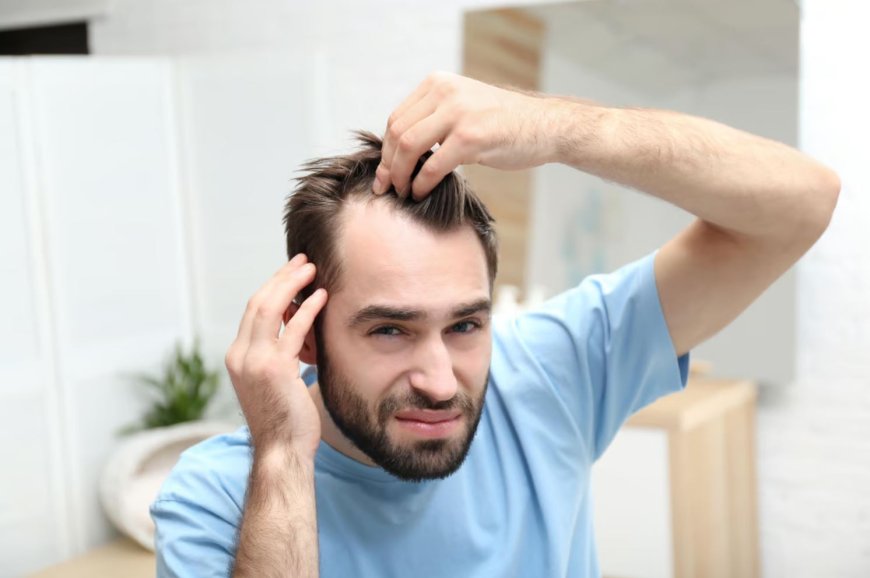
Hair concerns can affect your confidence, whether it's thinning, breakage, or an unexplained condition. Many people feel unsure about seeking help, but understanding what to expect during your first visit can ease the process. If youve booked an appointment with a Hair Specialist Doctor In Dubaiheres a detailed breakdown of how your visit will gofrom the moment you step in to the actionable plan you walk out with.
Understanding the Role of a Hair Specialist
A hair specialist focuses on diagnosing and managing hair and scalp-related issues. Unlike general advice from friends or internet searches, this type of consultation provides a tailored approach to your condition. Whether youre experiencing hair fall, bald patches, dryness, or scalp irritation, this is the expert equipped with the tools to analyze the problem and provide suitable guidance.
Preparing for Your First Appointment
Before heading to your appointment, its helpful to prepare. Make a list of symptoms, even if they seem small or unrelated. Include how long you've noticed them, any lifestyle changes, medications, or recent health issues. Also, avoid washing your hair on the day of the appointment unless instructed otherwise. This gives the specialist a better view of your scalps natural state.
Bring along any products you regularly use. This includes shampoos, oils, conditioners, and treatments. Sometimes, the very products people rely on can contribute to their problems without realizing it. Having them on hand can give your Hair Specialist Doctor valuable insights.
Step-by-Step Guide to Your First Visit
1. Initial Discussion and History
Your session usually starts with a conversation. The hair specialist will ask questions about your lifestyle, family history, hair care routine, and any changes youve noticed. This helps create a clear picture of your situation. Expect to answer questions like:
-
How often do you wash your hair?
-
Have you noticed increased shedding recently?
-
Do you use heat styling tools frequently?
-
Is there a family history of hair loss?
This part of the visit may seem casual, but its crucial. It lays the foundation for understanding the potential cause of the issue.
2. Scalp and Hair Examination
Next comes a close examination of your scalp and hair strands. The specialist might use a magnifying tool to look at the follicles more clearly. Theyll check for signs of inflammation, buildup, thinning, or pattern changes. Each clue points to different underlying causesranging from nutritional deficiencies to hormonal imbalances.
In some cases, gentle pulling of the hair may be done to assess the strength of the follicles or identify active shedding. This isnt painful but offers useful information for diagnosing your condition.

3. Diagnostic Tools and Tests
Depending on the complexity of your symptoms, further tests may be suggested. This can include blood work, a scalp biopsy, or trichoscopy (a non-invasive way to see the roots of the hair). These tests help identify issues like low iron, thyroid imbalances, or autoimmune disorders.Remember, not all cases require lab tests on the first visit. However, if your hair loss seems advanced or unusual, these may be recommended as part of a comprehensive diagnosis.
Building Your Personalized Hair Care Plan
Once your Hair Specialist Doctor has a clearer idea of whats going on, theyll discuss a customized plan with you. This can include changes to your hair care routine, dietary recommendations, topical treatments, or lifestyle adjustments.
The specialist may also give advice on how to avoid future damage. For instance, they might recommend spacing out chemical treatments, limiting heat tools, or switching to gentler hair products.
Its essential to understand that hair health is a gradual process. Even the most effective treatment wont deliver overnight results. Staying consistent with the plan and maintaining open communication is key to success.
Managing Expectations and Progress
When dealing with hair concerns, patience is crucial. Hair growth cycles are slow, and it may take several weeks before you notice visible changes. Regular follow-up appointments help track progress and make any necessary adjustments to your treatment plan.
Set realistic expectations. If your goal is regrowth, understand that it depends on many factors like the extent of damage, your age, and how early the issue was addressed. However, improvements in hair texture, volume, and overall health often appear sooner.
Common Emotions During the First Visit
Its normal to feel a mix of hope and anxiety during your first appointment. Many people worry their condition might be irreversible. But visiting a specialist is already a big step toward resolution. Having someone who understands the science of hair helps remove the guesswork.
The first visit is also about reassurance. Instead of trying different shampoos or reading conflicting advice online, you're finally getting expert insight. That alone brings a sense of relief and renewed confidence.
Taking the Next Steps After Your Visit
Leave your appointment with a clear list of what to do next. This might include buying certain products, adjusting your daily routine, or keeping a hair diary. Be proactiveask questions if anything is unclear, and dont hesitate to share any updates during follow-ups.Commit to giving your new routine time to work. Progress is often steady rather than fast. Trust the process and stay in touch with the plan laid out by your Hair Specialist Doctor.
Final Thoughts
Your first appointment can set the tone for long-term hair health. Its not just about treating the current problem but also about learning how to care for your scalp and strands moving forward. By walking in prepared and open to learning, youre setting yourself up for results that last.Whether youre dealing with mild shedding or more serious hair loss, seeing a Hair Specialist Doctorgives you a tailored path toward healthy, confident hair.