





























Understanding Energy Performance Certificates (EPCs) in the UK: A 2025 Guide for Property Owners
Discover why Energy Performance Certificates (EPCs) matter more than ever in 2025. Learn how they impact property value, legal compliance, and energy savings, whether you're buying, selling, or renting.
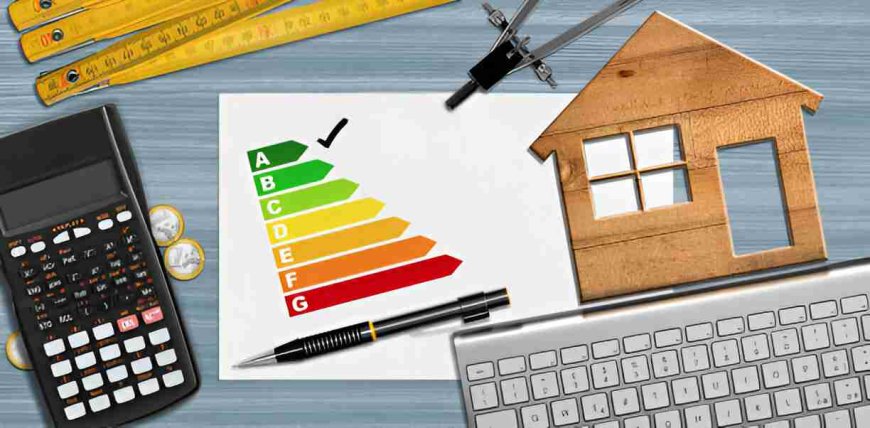
As the UK continues its push toward environmental responsibility and sustainability, energy efficiency has become a top priority in both residential and commercial property sectors. One key tool helping to drive this change is the Energy Performance Certificate (EPC). Whether you're a landlord, buyer, seller, or tenant, understanding how EPCs work and why they matter in 2025 is more critical than ever.
What does an EPC mean?
An Energy Performance Certificate is a document that provides a clear snapshot of a buildings energy efficiency. It evaluates how much energy a property uses, how much it wastes, and its impact in terms of carbon dioxide emissions.
But its not just about ratings; an EPC also offers suggestions for improvements, helping property owners identify practical ways to reduce energy consumption and enhance performance.
The Legal Importance of Having an EPC in the UK
EPCs arent optional; theyre a legal requirement when renting out, selling, or building a property. The rules apply to both residential and commercial buildings and are enforced under the Energy Performance of Buildings Regulations.
Beyond the legal implications, not having an EPC can slow down sales and rental processes and discourage environmentally conscious buyers or tenants.
What Properties Need an EPC?
UK regulations call for an EPC under the following circumstances:
- Selling a home or commercial property: A valid EPC must be available to potential buyers as early as possible.
- Letting a property: Landlords must provide tenants with an EPC before the tenancy begins.
- Constructing a new building: Developers are required to obtain an EPC before completion.
EPC Ratings: What They Mean for You
The EPC rating is more than just a letter. It reflects how costly a property is to heat and power, and how environmentally friendly it is. A high rating (A or B) typically means the building is well-insulated, fitted with an efficient heating system, and possibly uses renewable energy.
On the other end, a G-rated building is likely to be poorly insulated, with older heating systems and higher running costs. Not only does a lower rating affect comfort and bills, but it can also make a property harder to sell or rent in a competitive market.
How to Get an EPC Done in the UK
Obtaining an EPC is straightforward. Following is the process to get EPC :
- Find an accredited assessor: Use the governments official register or search online using terms like EPC assessor near me.
- Book a visit: Schedule an appointment that fits your availability.
- Prepare your property: Make all areas accessible, including lofts, boiler rooms, and meters.
- Assessment time: The inspection usually takes under an hour, though larger or complex properties may take longer.
The certificate is logged in a national database and remains accessible for future reference.
EPC Costs: What You Can Expect to Pay
The cost to get an Energy Performance Certificate in 2025 can differ depending on factors like property size, type, and geographical area. Heres a general idea:
- Smaller residential properties: 60 to 80
- Larger homes or multi-unit buildings: 90 to 120+
- Commercial properties: May cost significantly more, depending on complexity
Some assessors offer discounts for multiple properties or repeat clients, so its worth shopping around. While the upfront cost is modest, the long-term value is significant, especially if you act on the improvement advice provided.
How Long Does an EPC Last?
EPCs have a lifespan of ten years, starting from the date theyre officially registered. During this period, it can be reused for different sales or lettings. However, if youve made significant energy efficiency upgrades, it's a good idea to commission a new EPC to reflect the improvements and potentially increase your rating.
Keeping your certificate up to date helps maintain the propertys credibility and compliance status, especially as government standards evolve.
Why an Updated EPC Matters More Than Ever
Even if your property already has a valid EPC, updating it after making energy-efficient changes can bring several benefits:
- Better marketability: Buyers and tenants increasingly look for homes that are cheaper to run and greener to live in.
- Compliance with future regulations: New legislation could impose stricter minimum standards, especially for rental properties.
- Increased property value: A better rating may help justify a higher asking price.
With climate goals intensifying across the UK, having an EPC that accurately reflects your propertys efficiency is now a wise investment.
Whats Inside an EPC Report?
The EPC is more than just a letter grade. It includes:
- Current and potential energy ratings
- CO? emission levels
- Details of the property's construction and systems (for example, insulation, heating, windows)
This information is valuable whether you're looking to improve your building, reduce energy bills, or stay on top of environmental responsibilities.
Can You Dispute an EPC Rating?
Absolutely! If you believe your EPC doesnt accurately represent your propertys energy efficiency, you have the right to dispute it. This might involve submitting evidence of recent upgrades (like new insulation, a boiler, or solar panels) that werent considered during the original assessment.
You can contact the assessor directly or escalate the issue through the accreditation body if necessary.
The Bigger Picture: Why EPCs Are a Game-Changer in 2025
With growing pressure to decarbonise housing and commercial infrastructure, EPCs have evolved from simple legal paperwork into a vital decision-making tool. For property owners, landlords, and investors, a strong EPC rating opens doors, makes your property more attractive, ensures compliance, and plays a role in protecting the planet.
Governments and lenders are also increasingly tying energy performance to incentives like green mortgages or retrofit grants, giving EPCs additional weight in financial planning.
In Summary
In the evolving UK property landscape, Energy Performance Certificates have become an indispensable part of the puzzle. They provide transparency, encourage eco-friendly improvements, and help everyone involved in a transaction understand what theyre getting. In 2025 and beyond, having an accurate, up-to-date EPC isnt just smart, its essential.
Whether youre preparing to list your property, aiming to reduce costs, or planning energy upgrades, understanding your EPC puts you one step ahead in a property market driven by sustainability and efficiency.