




























Top Customer Loyalty Programs for Restaurants That Work
The true challenge lies in turning one-time guests into regular patrons. This is where customer loyalty programs for restaurants come into play.

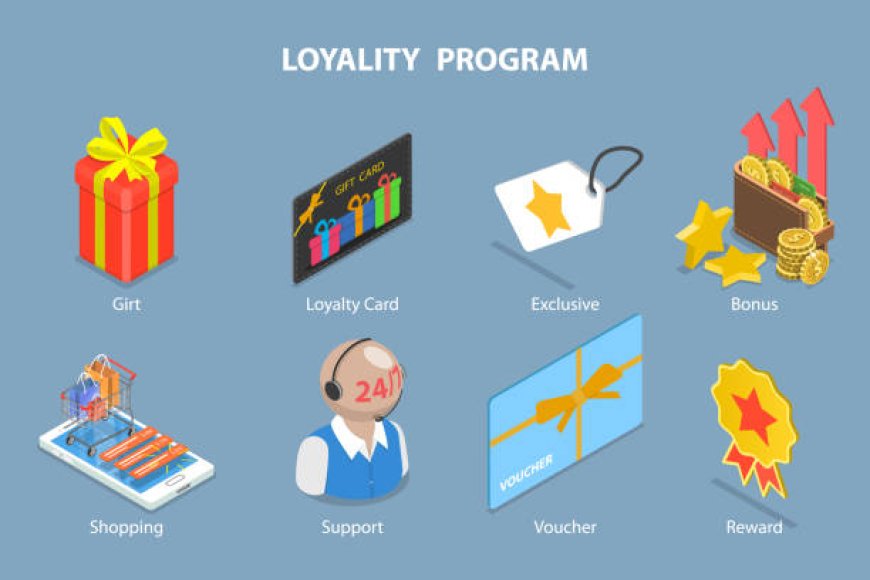
In the competitive food and beverage industry, attracting new diners is only part of the success formula. The true challenge lies in turning one-time guests into regular patrons. This is where customer loyalty programs for restaurants come into play. These programs are designed to reward repeat customers, build lasting relationships, and drive sustainable business growth.
Whether you're running a small caf, a local eatery, or a national restaurant chain, implementing a well-structured loyalty program can significantly boost your customer retention, increase average order value, and create strong brand advocates. Lets explore how restaurant loyalty programs work, why theyre effective, and how to design one that keeps guests coming back.
Why Loyalty Matters in the Restaurant Industry
In a saturated market where diners have endless choices, loyalty programs offer restaurants a crucial edge. Heres why they matter:
-
Higher Retention Rates: Studies show that acquiring a new customer costs five times more than retaining an existing one. Loyalty programs encourage repeat visits and consistent spending.
-
Increased Customer Lifetime Value: Loyal customers are more likely to order more frequently and spend more per visit over time.
-
Personalized Engagement: Through data collection and behavioral tracking, restaurants can tailor offers and experiences to match individual customer preferences.
-
Word-of-Mouth Marketing: Happy, loyal customers are more likely to recommend your restaurant to friends and family, increasing your reach organically.
Types of Customer Loyalty Programs for Restaurants
There are various models of loyalty programs that restaurants can adopt depending on their goals, clientele, and size:
1. Point-Based Programs
Customers earn points for every dollar spent, which can later be redeemed for free items, discounts, or exclusive experiences. These are simple, effective, and easy to implement.
2. Punch Card Systems
This traditional method rewards customers after a set number of purchases (e.g., buy 9 coffees, get the 10th free). Now digitized via apps, punch cards still remain popular with quick-service and casual dining restaurants.
3. Tiered Programs
These reward structures categorize customers into levels (e.g., Bronze, Silver, Gold) based on their spending. Higher tiers unlock better rewards and perks, incentivizing more frequent visits.
4. Subscription-Based Programs
Restaurants charge a monthly fee in exchange for exclusive benefits such as free delivery, VIP table access, or discounted meals. This model fosters consistent engagement and builds a sense of exclusivity.
5. Coalition or Partnered Programs
Restaurants collaborate with other brands or services to offer shared rewards, extending the programs appeal and reach.
Key Features of Effective Restaurant Loyalty Programs
When designing customer loyalty programs for restaurants, its important to keep the customer experience front and center. Here are some key features to consider:
-
Mobile Accessibility
Ensure your program can be accessed via a mobile app or online portal. Mobile integration enables ease of use, digital punch cards, and real-time point tracking.
-
Instant Rewards
Offering immediate gratification for sign-ups or purchases encourages customers to engage with your program more actively.
-
Personalized Offers
Use customer data to deliver birthday treats, favorite meal discounts, or personalized recommendations.
-
Gamification
Add game-like features such as challenges, badges, or spin-the-wheel rewards to make the program more engaging.
-
Referral Bonuses
Incentivize existing customers to refer friends in exchange for loyalty points or freebies.
An example of a successful Restaurant Loyalty Program is Starbucks Rewards, which allows customers to earn "stars" per purchase that can be redeemed for drinks and food. It integrates with mobile payments, sends personalized offers, and keeps customers engaged with promotions and challenges.
Benefits of Loyalty Programs for Restaurants
-
Customer Data and Insights
Gain valuable data on ordering habits, visit frequency, and menu preferences to make data-driven decisions.
-
Higher Order Frequency
Repeat customers often order more often when they feel rewarded for their loyalty.
-
Menu and Offer Optimization
Use loyalty data to tailor promotions around top-selling items or underperforming dishes.
-
Boosted Revenues During Off-Peak Times
Loyalty members can be targeted with time-sensitive deals to increase traffic during slower hours.
-
Competitive Differentiation
Offering a well-structured loyalty program can make your restaurant stand out in a crowded marketplace.
How to Launch a Successful Restaurant Loyalty Program
Step 1: Define Clear Objectives
Know what you aim to achievehigher frequency of visits, increased average ticket size, more referrals, etc.
Step 2: Choose the Right Model
Select a loyalty structure that fits your restaurant style, customer base, and resources.
Step 3: Select a Loyalty Platform
Choose from digital loyalty solutions like Toast, Punchh, or Paytronix that provide integrated customer engagement tools.
Step 4: Train Your Staff
Make sure your team understands how the program works and can educate guests on its benefits.
Step 5: Promote the Program
Use in-store signage, email marketing, social media, and receipts to encourage sign-ups.
Step 6: Monitor and Adjust
Track program performance regularly and make adjustments to keep rewards fresh and enticing.
Real-World Examples
-
Chipotle Rewards: Offers points for every dollar spent and frequently adds bonus point challenges.
-
Dominos Piece of the Pie Rewards: Gives customers free pizzas for repeated orders and integrates directly with the app for easy access.
-
Panera Breads MyPanera: Uses personalized recommendations and surprise rewards to enhance the customer experience.
Each of these programs reflects how loyalty efforts tailored to a restaurants brand and audience can yield strong results.
The Future of Restaurant Loyalty Programs
As technology continues to evolve, so do the possibilities for more engaging and efficient customer loyalty programs for restaurants. Here are a few trends on the horizon:
-
AI-Driven Personalization
Artificial intelligence will help restaurants predict customer preferences and deliver highly targeted rewards.
-
Geofencing & Location-Based Offers
Customers can receive special deals when they are near your restaurant or at competitor locations.
-
Voice & Chatbot Integration
Loyalty program interactions through voice assistants or chatbots will improve ease of use.
-
Sustainability-Focused Rewards
Customers may be rewarded for bringing their own containers or choosing plant-based menu items.
-
NFT & Blockchain Integration
Some high-end restaurants are exploring loyalty NFTs for exclusive dining privileges and reservations.
Conclusion
Customer loyalty programs for restaurants are no longer optionalthey're a strategic necessity. A well-designed program not only increases customer retention but also builds a stronger brand presence and drives sustained revenue. From digital punch cards to AI-powered personalization, the possibilities are vast and evolving.
By choosing the right program structure, offering meaningful rewards, and leveraging technology, restaurants can transform casual diners into loyal brand ambassadors who keep coming back for more. Whether you're just starting out or looking to revamp an existing loyalty program, now is the perfect time to invest in customer loyalty as a key ingredient to your restaurants success.