



























Top 7 Benefits of Spray Foam Insulation for Your Home
Whether you're building a new home or upgrading an existing one, understanding the benefits of spray foam insulation can help you make an informed decision.

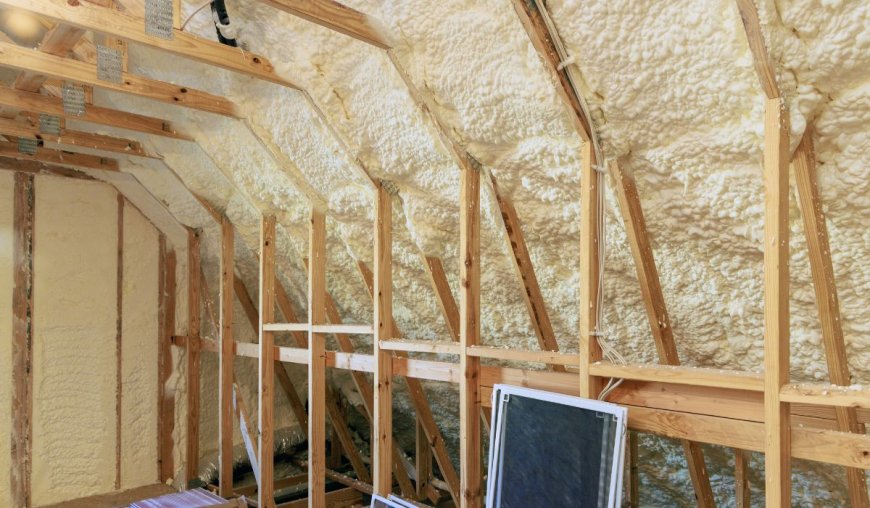
When it comes to insulating your home, choosing the right material makes all the difference in energy efficiency, comfort, and long-term value. Among the various insulation options available today, spray foam insulation has emerged as a top choice for homeowners across the country. Unlike traditional insulation materials like fiberglass or cellulose, spray foam expands on contact to fill every crack and crevice, providing an airtight seal that delivers impressive results.
Whether you're building a new home or upgrading an existing one, understanding the benefits of spray foam insulation can help you make an informed decision. Here are the top 7 advantages of spray foam insulation that make it a standout choice for modern homes.
spray foam insulation1.Superior Energy Efficiency
One of the most significant benefits of spray foam insulation is its exceptional ability to conserve energy. Spray foam forms an airtight barrier that prevents hot or cold air from escaping your home. Unlike fiberglass batts or blown-in insulation, which may leave gaps and seams, spray foam expands up to 60 times its original volume and fills every nook and cranny.
This tight seal keeps your homes internal temperature more stable and reduces the need for constant heating or cooling. Homeowners often report energy savings of up to 50% after installing spray foam insulation, making it a wise investment over time.
2.Improved Indoor Comfort
Temperature fluctuations can make parts of your home uncomfortable, especially during extreme weather. Spray foam insulation helps maintain a consistent indoor temperature, preventing cold spots in winter and hot areas in summer.
Because it reduces drafts and air leaks, youll notice fewer temperature swings from room to room. Whether its your bedroom, living room, or attic, each space stays more comfortable throughout the day.
3.Moisture and Water Resistance
Spray foam insulation offers more than just thermal protectionit also acts as a barrier against moisture and water intrusion. Closed-cell spray foam, in particular, is highly resistant to water and prevents mold and mildew growth by eliminating one of their key ingredients: moisture.
This makes spray foam ideal for insulating basements, crawlspaces, attics, and areas prone to humidity or leaks. Keeping water out not only protects the structure of your home but also helps maintain healthier indoor air quality.
4.Sound Dampening Qualities
In addition to thermal insulation, spray foam also provides excellent soundproofing capabilities. The dense, spongy texture of open-cell spray foam helps absorb sound waves, reducing the amount of noise that travels through walls, floors, and ceilings.
If you live in a noisy neighborhood, near a busy road, or simply want more privacy between rooms, spray foam can create a quieter and more peaceful home environment.
5.Enhanced Air Quality
Traditional insulation materials can sometimes allow outdoor allergens, dust, and pollutants to seep into your home. Spray foam insulation creates an airtight seal that blocks airborne irritants from entering.
Because it minimizes the flow of unfiltered air, spray foam can significantly improve indoor air quality. This is especially beneficial for individuals with allergies, asthma, or other respiratory conditions. Additionally, because spray foam doesnt degrade or release particles over time, it contributes to a cleaner, healthier home.
6.Long-Term Durability and Structural Support
Spray foam insulation is built to last. Once applied, it can remain effective for decades without sagging, settling, or deteriorating like other types of insulation. Closed-cell spray foam even adds structural integrity to walls and roofs due to its dense, rigid composition.
Because of its durability, you wont need to worry about replacing your insulation every few years. Its a one-time investment that keeps working efficiently for the life of your home, giving you long-term peace of mind and reduced maintenance costs.
7.Increased Home Value and ROI
Homebuyers today are more environmentally conscious and energy-aware than ever before. A home insulated with spray foam not only has lower utility bills but is also more appealing to potential buyers.
Whether you're planning to sell your home or stay long-term, spray foam insulation adds resale value by making your home more energy-efficient, durable, and comfortable. Its a smart upgrade that offers excellent return on investment (ROI)both in monthly savings and in the value it brings to your property.
Choosing the Right Type of Spray Foam: Open-Cell vs. Closed-Cell
When considering spray foam insulation, its essential to understand the two main types:
-
Open-Cell Spray Foam: Lightweight and flexible, its ideal for interior walls and soundproofing. It expands more than closed-cell and is generally more affordable.
-
Closed-Cell Spray Foam: Dense and rigid, it provides higher R-values (thermal resistance) and added structural support. Its also more water-resistant and better suited for exterior applications or moisture-prone areas.
A professional insulation contractor can help you determine the best option based on your home's layout, climate, and energy goals.
Final Thoughts
Spray foam insulation is more than just a modern home improvement trendits a smart, forward-thinking solution that addresses many common household challenges. From lowering your energy bills and enhancing comfort to improving air quality and increasing your homes value, the benefits of spray foam insulation are both immediate and long-lasting.
While the upfront cost of spray foam may be higher than traditional insulation methods, the long-term savings and performance easily justify the investment. If you're looking to create a healthier, quieter, and more energy-efficient home, spray foam insulation may be exactly what you need.