




























Rise of the Digital Voice: Influencer Market Booms Amid Shifting Consumer Trends
The global influencer marketing platform market size was valued at USD 17.12 billion in 2024 and is expected to reach USD 162.63 billion by 2032, at a CAGR of 32.5% during the forecast period

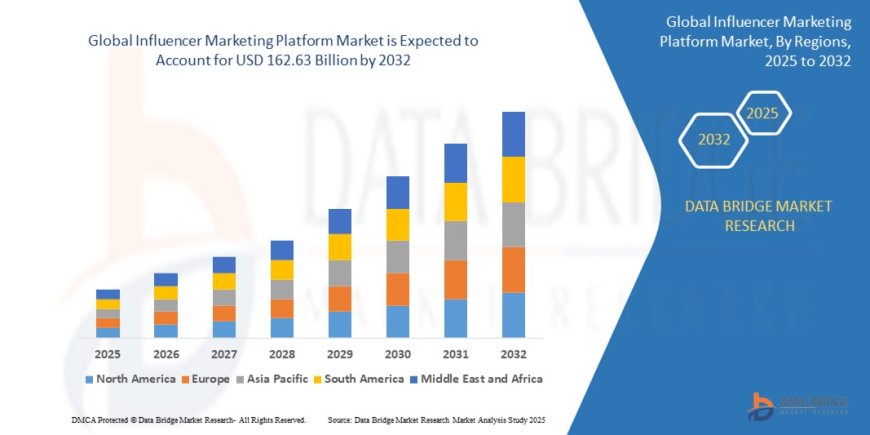
The Global Influencer Market has emerged as a dominant force in modern marketing, transforming how brands connect with audiences in an increasingly digital-first world. Fueled by the rise of social media platforms, the shift toward personalized engagement, and the growing distrust of traditional advertising, influencer marketing has become a critical strategy for companies of all sizes.
Market Overview
Influencer marketing refers to the collaboration between brands and individuals who have a significant and engaged online following. These influencersranging from mega-celebrities to niche micro-influencersleverage their credibility and reach to promote products, services, or causes. The influencer marketing industry was valued at approximately USD 21.1 billion in 2023, and it is projected to continue growing robustly, fueled by increasing digital consumption and evolving consumer behavior.
Key Drivers of Growth
-
Social Media Proliferation: Platforms like Instagram, TikTok, YouTube, and X (formerly Twitter) have empowered individuals to build large, loyal communitiesmaking them valuable assets for brand promotion.
-
Authentic Content Creation: Consumers trust peer recommendations more than traditional advertisements. Influencers provide authentic, relatable content that resonates more effectively with target audiences.
-
Targeted Reach: Influencer marketing enables brands to target specific demographics, niches, or interestsimproving ROI and conversion rates compared to broad-based campaigns.
-
E-commerce Integration: Features like Instagram Shopping, YouTube Live Shopping, and TikTok Shop have turned influencers into powerful sales drivers, directly linking content to purchase options.
Market Segmentation
-
By Influencer Type:
-
Mega-influencers (1M+ followers)
-
Macro-influencers (100K1M followers)
-
Micro-influencers (10K100K followers)
-
Nano-influencers (<10K followers)
-
-
By Platform:
-
Instagram
-
TikTok
-
YouTube
-
Facebook
-
Blogs & Podcasts
-
X (Twitter)
-
-
By Industry:
-
Fashion & Beauty
-
Food & Beverage
-
Travel & Lifestyle
-
Fitness & Wellness
-
Technology & Gaming
-
Finance & Education
-
Regional Insights
-
North America remains the largest influencer market due to mature digital infrastructure and high social media engagement.
-
Asia-Pacific is witnessing explosive growth, particularly in countries like India, China, and Indonesia, driven by mobile-first consumers and platform innovation.
-
Europe continues to evolve with strong regulatory frameworks and increasing adoption across B2B and luxury sectors.
Challenges in the Influencer Market
-
Content Saturation: As the number of influencers rises, standing out becomes more difficultaffecting engagement and authenticity.
-
Fake Followers and Metrics: Inflated follower counts and engagement through bots remain a concern for marketers seeking real ROI.
-
Regulatory Scrutiny: Disclosure requirements and advertising transparency laws (e.g., FTC guidelines in the U.S.) are becoming stricter.
-
Changing Algorithms: Shifts in platform algorithms can impact influencer visibility and reach unpredictably.
Opportunities and Future Trends
-
AI-Powered Influencers: Virtual influencers and AI-generated content are gaining traction, offering consistent branding and full creative control.
-
Data-Driven Campaigns: Advanced analytics and performance tracking are helping brands refine strategies and measure real impact.
-
Long-Term Collaborations: Brands are moving away from one-off posts toward ambassador programs and deeper partnerships.
-
Emergence of B2B Influencers: Professionals on LinkedIn and industry experts are increasingly influencing purchasing decisions in enterprise markets.
Future Outlook
As digital consumption continues to rise, the influencer market is expected to surpass USD 30 billion by 2027, reflecting its critical role in the future of advertising and brand building. The focus will shift toward value-based content, authentic storytelling, and measurable outcomes, making influencer marketing more strategic and performance-oriented.
Conclusion
The influencer market is no longer just a trendit's a foundational pillar of digital marketing. With its unmatched ability to build trust, drive engagement, and influence purchase decisions, influencer marketing will continue to shape the future of brand-consumer interaction in an increasingly connected world.
Get More Details;
https://www.databridgemarketresearch.com/reports/global-influencer-marketing-platform-market