




























Mecoprop Market: Growth, Trends, and Outlook in Selective Herbicide Applications
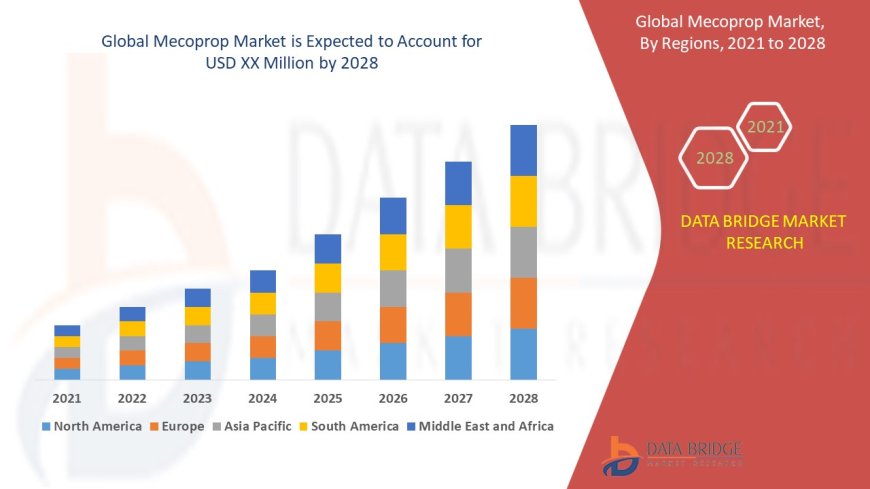
Mecoprop market is expected to gain market growth in the forecast period of 2021 to 2028. Data Bridge Market Research analyses that the market is growing with the CAGR of 4.50% in the forecast period of 2021 to 2028. The increase in demand for mecoprop from agriculture and agrochemical sectors is escalating the growth of mecoprop market.

Introduction
Mecoprop, also known as MCPP (methylchlorophenoxypropionic acid), is a selective herbicide widely used for controlling broadleaf weeds in cereals, turfgrass, and non-crop areas. It belongs to the phenoxy herbicide class and functions by mimicking natural plant hormones, leading to uncontrolled plant growth and eventual weed death. As the agricultural sector faces increasing pressure for higher yields and sustainable weed control, the demand for Mecoprop has grown steadily.
Source -https://www.databridgemarketresearch.com/reports/global-mecoprop-market
Market Overview
The global Mecoprop market is experiencing moderate but consistent growth. Driven by rising demand in agriculture, landscaping, and public spaces, the market continues to expand across both developed and emerging regions.
-
Market Size (2024 Estimate): Approximately USD 350400 million globally
-
Projected CAGR (20242032): 4% to 5%
-
Key End-Users: Farmers, landscaping services, municipalities, sports turf managers
Key Applications
1. Agriculture
Mecoprop is used primarily in cereal crops like wheat and barley, where it effectively eliminates invasive broadleaf weeds without damaging grasses. It is often blended with other herbicides for broader-spectrum control.
2. Turf and Lawn Management
A major area of application, especially in North America and Europe. Golf courses, sports fields, and residential lawns rely on Mecoprop to maintain weed-free turf without harming grass.
3. Horticulture and Landscaping
Used in the maintenance of ornamental plantings, flower beds, and greenhouses where selective weed control is essential.
4. Industrial and Non-Crop Areas
Utility corridors, roadsides, and vacant lots benefit from its ability to manage persistent weed growth without sterilizing the soil.
Market Drivers
Rising Demand for Selective Herbicides
The need to preserve desirable plant species while eliminating weeds is growing, especially in integrated pest and vegetation management programs. Mecoprop provides a reliable solution due to its selectivity and established safety record.
Urbanization and Green Space Maintenance
As urban areas expand, so does the demand for managed green spaces. Mecoprop is a key component in maintaining parks, recreational areas, and city landscapes.
Agricultural Intensification
To feed a growing global population, farming practices are becoming more intensive, necessitating herbicides that can boost yields by reducing weed competition effectively and economically.
Challenges
Regulatory Pressure
Herbicides, including Mecoprop, face strict regulatory scrutiny in many regions due to concerns over environmental impact and potential residues. Compliance with updated regulations often requires reformulation and rigorous testing.
Growing Preference for Organic Alternatives
While Mecoprop remains widely used, there is increasing demand for organic and bio-based weed control products, especially in Europe and among health-conscious consumer groups.
Resistance Management
Though not as prone to resistance as some other herbicides, overuse of Mecoprop in monocultures can contribute to herbicide resistance. Integrated weed management practices are necessary to mitigate this risk.
Regional Insights
North America
The largest market for Mecoprop, driven by its extensive use in lawn care, agriculture, and recreational turf maintenance. Favorable climate and large-scale commercial landscaping operations further contribute to strong demand.
Europe
A mature but highly regulated market. The demand is steady, particularly in turf management and horticulture. However, regulatory restrictions have tightened in several countries, prompting manufacturers to offer lower-risk formulations.
Asia-Pacific
Rapid urban development and agricultural expansion in countries like China, India, and Southeast Asia are fueling demand. The region represents the fastest-growing market segment due to increased awareness and adoption of modern weed control methods.
Latin America and Middle East & Africa
These regions are experiencing growing adoption due to the expansion of commercial agriculture and infrastructure development. However, challenges such as limited regulatory harmonization and product availability persist.
Formulations and Product Types
-
Liquid Concentrates: Most common format, used in professional and agricultural settings.
-
Granular Formulations: Preferred for ease of application in residential and turf settings.
-
Ready-to-Use Sprays: Widely available for home gardeners and smaller-scale users.
-
Tank Mixes: Mecoprop is often combined with dicamba, 2,4-D, and other herbicides for enhanced control.
Competitive Landscape
The global Mecoprop market is competitive, with a mix of multinational agrochemical firms and regional players. Companies typically compete on:
-
Product formulation innovation (e.g., low-drift, lower toxicity)
-
Price competitiveness
-
Regional distribution and regulatory alignment
-
Compatibility with integrated weed management systems
Prominent manufacturers often offer Mecoprop in combination with other herbicides for broader appeal and performance.
Future Outlook
The Mecoprop market is expected to maintain a steady growth trajectory in the coming years. Key trends shaping the market include:
-
Innovation in Low-Impact Formulations: Safer, more environmentally friendly products are being developed to meet regulatory and consumer expectations.
-
Expansion into Emerging Markets: Latin America, Southeast Asia, and Africa offer significant untapped potential.
-
Sustainable Weed Management Practices: Integrated approaches that combine chemical, mechanical, and biological controls will likely increase the strategic use of Mecoprop.
Conclusion
Mecoprop continues to be a cornerstone of selective weed management across agricultural and non-agricultural landscapes. Its effectiveness, ease of application, and compatibility with other herbicides make it a reliable solution in an evolving market. While regulatory and sustainability pressures are real, companies that adapt through innovation and strategic regional expansion will lead the next phase of growth in the Mecoprop market.