





























What You Should Know & Do Before & After Knee Replacement Surgery
Know the key facts and essential steps to take before and after knee replacement surgery. Recovery tips, risks, and expert guidance included.

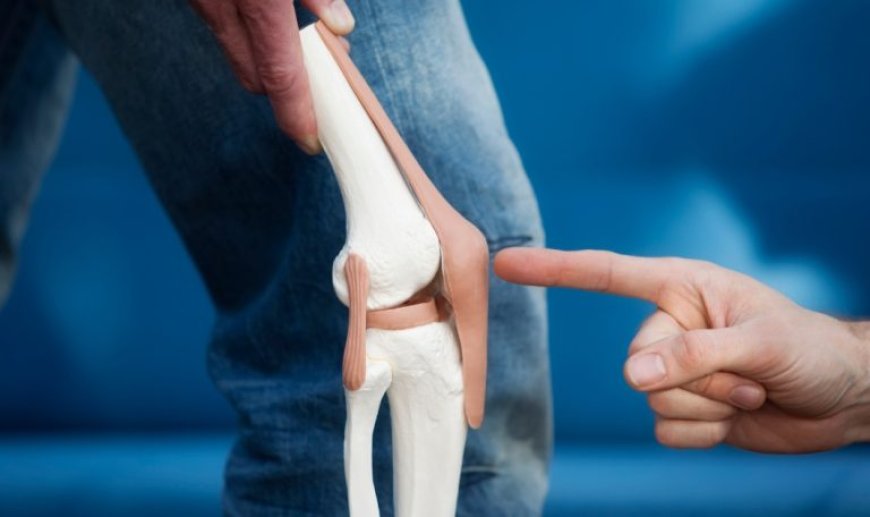
Knee replacement surgery is a transformative procedure for individuals suffering from severe joint pain and mobility limitations, most commonly caused by osteoarthritis, rheumatoid arthritis, or traumatic injury. While the surgery itself is significant, preparation beforehand and proper care afterward are equally critical to a successful recovery. If you're looking for the best knee replacement doctor in Ahmedabad, this article will tell you all you need to know and do both before and after the procedure.
Understanding Knee Replacement Surgery
Knee arthroplasty, commonly called knee replacement, is a surgical procedure where worn-out or damaged cartilage and bone in the knee are replaced with artificial implants. There are primarily three types:
- Minimally invasive procedures: Smaller incisions for faster recovery.
It is crucial to consult a qualified orthopedic doctor in Ahmedabad to understand which option is best suited for your condition, lifestyle, and goals. The surgery is designed to relieve pain, improve joint function, and enhance quality of lifebut knowing the pros, cons, and risks is essential for making an informed decision.

What You Should Know Before Surgery
Choosing the Right Surgeon and Hospital
- Choose a board-certified orthopaedic surgeon who specialises in joint replacements and has a strong record of successful outcomes.
- Ensure the hospital offers modern facilities, strict hygiene standards, and dedicated rehabilitation services for better recovery.
- Thebest doctor for knee replacement in Ahmedabadwill also ensure that you are mentally and physically prepared for surgery with transparent advice.
Pre-Surgery Assessments and Health Checks
- Expect to undergo a full health evaluation, including blood work, ECG, chest X-ray, and sometimes dental clearance to rule out infection risks.
- These medical tests and evaluations help detect potential risks early, ensuring a safer surgery and smoother post-operative recovery.
Medications and Supplements
- Inform your doctor of all current medications, including over-the-counter painkillers and herbal supplements.
- Certain medications such as blood thinners may need to be stopped well in advance of the operation.
Physical Preparation and Lifestyle Adjustments
- Start pre-surgery physiotherapy exercises to build strength, improve flexibility, and enhance joint function for smoother recovery.
- Keep your weight within a healthy range before surgery to minimise strain on joints and lower the risk of post-operative issues.
- Stop smoking several weeks in advance, as it improves circulation and healing, and reduces the chances of surgical complications.
Preparing Your Home Environment
- Fit sturdy handrails in key areas like bathrooms and staircases to improve safety and support during your post-surgery movement.
- Set up a temporary sleeping space on the ground floor to avoid using stairs, ensuring easier movement during the early recovery phase.
- Ask a trusted friend or family member to assist with daily tasks such as meals, bathing, or mobility support for the first few weeks.
What You Should Do on the Day of Surgery
- Unless advised otherwise by your medical team, refrain from eating or drinking for at least eight hours prior to your surgery.
- Wear loose, comfortable clothing and bring any necessary documents, test reports, and personal items.
- Remain calm; the surgical team will take you through the procedure and anaesthesia process step-by-step.
Immediate Post-Surgery Care
Hospital Stay and Monitoring
- You will be monitored closely for blood pressure, wound healing, and signs of complications such as blood clots or infection.
- Pain management is initiated immediately after surgery through a combination of oral and intravenous medications.
Beginning Physiotherapy
- A physiotherapist will guide you through light leg movements within 24 hours post-surgery to start regaining joint function early.
- Beginning movement soon after surgery lowers the chance of blood clots and speeds up the return of joint flexibility and strength.
- Walkers or crutches are essential early on to provide support, ensure balance, and prevent strain on the healing knee joint.
What You Should Do After Discharge
Managing Home Recovery
- Keep using mobility aids like crutches or a walker for support until your physiotherapist confirms its safe to walk unaided.
- Raise your leg on pillows to minimise swelling and apply ice packs gently to relieve pain and reduce inflammation around the joint.
- Ensure the surgical wound stays clean and dry, and follow all dressing change instructions provided by your healthcare provider.
Nutrition and Hydration
- Consume meals rich in protein, iron, calcium, and vitamin C to promote faster tissue repair and strengthen bones during recovery.
- Stay well-hydrated by drinking enough water daily, unless your doctor limits fluids due to heart, kidney, or other health issues.
Follow-Up Appointments
- Make sure to attend every scheduled follow-up for X-rays, wound inspection, and to assess how well your knee is healing over time.
- Contact your surgeon right away if you experience unusual pain, swelling, redness, or fever, as these could signal complications.
Long-Term Physiotherapy
- Continue physiotherapy for weeks or months as guided to restore flexibility, muscle strength, balance, and proper walking pattern.
- Work with your therapist to set achievable rehab goals and monitor your improvements consistently for long-term success.
- Steer clear of high-impact sports initially and slowly resume safe activities like walking, swimming, or cycling with medical approval.

Potential Risks and How to Manage Them
Even though issues are uncommon, it's crucial to be aware of potential risks:
- Infections: Maintain hygiene and take prescribed antibiotics.
- Blood clots: Keep active, wear compression stockings, and take anticoagulants if recommended.
- Implant issues: Occasionally, the implant may loosen or wear out over time.
Always keep yourorthopedic doctor in Ahmedabadinformed about any concerns during the recovery period. Early intervention can prevent more serious issues.
Tips for a Successful Recovery
- Follow all medication and exercise instructions without delay or shortcuts.
- Make use of walking aids like crutches or walkers during recovery and avoid stressing the knee joint until it fully heals.
- Keep a thorough notebook to document your daily recovery progress, acknowledge minor victories, and stay inspired and mentally engaged.
- Consider joining a support group or consulting a counsellor if you're facing emotional challenges during recovery.
Conclusion
A successful knee replacement is not just about the procedure itself, but also about how well you prepare and recover. By choosing the right surgeon, committing to pre- and post-operative care, and following professional medical advice, you can restore mobility, reduce pain, and regain independence. Whether you're preparing for your first consultation or already planning surgery, it's essential to work closely with a qualified expert. For people in Gujarat looking for reliable medical care, Dr.Meet Mehta stands as a leading orthopaedic consultant providing personalised surgical and recovery plans to help you get back on your feet.