





























Farm Fuel Delivery: Streamlining Fuel Access for Modern Agriculture

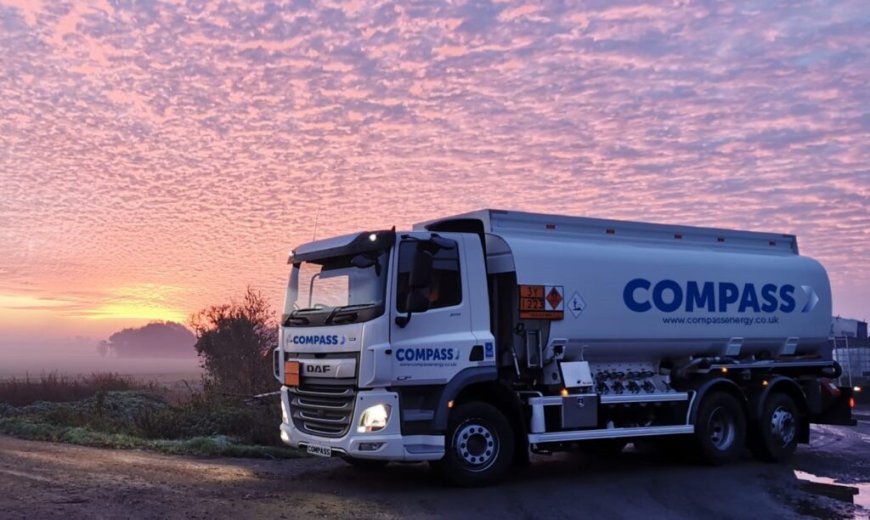
In today's fast-paced agricultural environment, efficiency is everything. Farmers rely on a range of heavy machinerytractors, harvesters, irrigation pumps, and generatorsto keep their operations running smoothly. Ensuring a steady supply of fuel to power these machines iscrucial, andfarm fuel delivery services have emerged as a vital solution for both rural and commercial farms.
What is Farm Fuel Delivery?
Farm fuel delivery refers to the direct transport of fuelprimarily diesel or agricultural fuel oil (such as red diesel)from a supplier to a farms on-site storage tanks or equipment. Instead of traveling to fueling stations, farmers schedule deliveries to ensure they have a constant and convenient supply.
Fuel delivery services may include:
-
Bulk fuel delivery to on-site tanks
-
Direct fueling of machinery or vehicles
-
Emergency refueling
-
Tank maintenance and monitoring
Types of Fuel Delivered
-
Agricultural Diesel (Red Diesel / Dyed Diesel): Used in off-road equipment, exempt from road fuel taxes in many countries.
-
Biodiesel Blends (e.g., B20, B100): Cleaner alternatives with reduced emissions.
-
Gasoline: For smaller equipment like ATVs, mowers, and utility vehicles.
-
Heating Oil or Propane: Used for grain dryers, greenhouses, and livestock barns.
Key Benefits of Farm Fuel Delivery
? Time-Saving and Convenient
Farmers save valuable time by eliminating trips to fuel stations. Instead, they receive scheduled or on-demand deliveries right to their doorstep.
? Reduced Downtime
With fuel available on-site, machinery can be refueled quickly, minimizing operational interruptions during critical planting or harvest periods.
? Cost Control
Bulk fuel purchases often come with volume discounts and better pricing, helping farmers manage their budgets more effectively.
? Custom Scheduling
Deliveries can be scheduled regularly (e.g., weekly, monthly) or arranged based on seasonality, weather, or specific farm needs.
? Inventory Management
Many suppliers offer tank monitoring systems that alert both the farmer and supplier when fuel levels are low, automating the delivery process.
Choosing a Farm Fuel Delivery Provider
When selecting a fuel delivery service, consider the following:
-
Coverage Area: Does the provider serve your rural location?
-
Fuel Options: Do they offer the specific fuel types and blends you use?
-
Reliability: Can they deliver during peak seasons or emergencies?
-
Regulatory Compliance: Are they licensed and compliant with fuel storage and safety standards?
-
Added Services: Some providers offer equipment rental, fuel tank installation, or maintenance services.
Safety and Compliance Considerations
Fuel delivery and storage come with responsibilities. Farmers must ensure:
-
Proper storage tanks are installed with secondary containment.
-
Tanks are regularly inspected for leaks or corrosion.
-
Fuel is stored away from ignition sources and livestock.
-
Environmental regulations are followed, including spill prevention and reporting protocols.
Future Trends in Farm Fuel Delivery
-
Digital Scheduling & Tracking: Apps and online portals make it easy to manage deliveries, track usage, and automate reorders.
-
Alternative Fuels: As farms explore renewable energy, some providers are beginning to offer renewable diesel, biodiesel, and even electric charging stations for hybrid and electric machinery.
-
On-Farm Fuel Management Systems: Real-time data collection helps optimize fuel usage and detect inefficiencies.
Conclusion
Farm fuel delivery is more than just a convenienceit's a vital service that supports the productivity and profitability of modern agriculture. With rising fuel costs, tighter margins, and increasing environmental regulations, choosing the right delivery partner and managing fuel resources wisely are more important than ever. By streamlining fuel access, farmers can focus on what matters most: producing food efficiently and sustainably.