


























Can Hair Transplant Really Regrow Hair Safely? Find Out Today
Get the best hair transplant in Dubai with natural, permanent results. Experts in FUE, FUT & hair restoration. Book a free consultation today!


Hair loss is a common concern for millions of people worldwide. Whether it's due to genetics, stress, or other health factors, watching hair thin or disappear can deeply affect ones confidence. With so many solutions available, it's natural to wonder which ones are truly effective. One procedure that frequently comes up in discussions about hair restoration is a Hair Transplant in Dubai. But can it actually regrow hair safely and naturally? Lets dive into the facts and find out.
Understanding Hair Loss: Why It Happens
Hair loss can be triggered by a range of reasons. Genetics is often the primary culprit, with conditions like male or female pattern baldness leading the charge. However, environmental stressors, hormonal changes, poor nutrition, and certain medical conditions can also contribute. In many cases, over-the-counter solutions or natural remedies may not deliver the desired outcome, pushing individuals to explore more permanent methods like transplantation.
What Is a Hair Transplant?
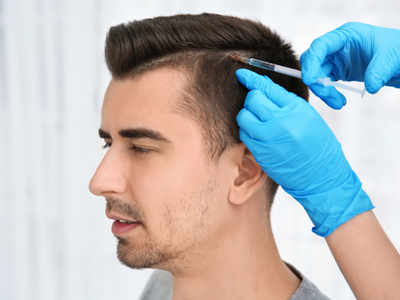
A Hair Transplant is a procedure designed to move healthy hair follicles from one area of the scalp (typically the back or sides) to a thinning or balding area. This technique ensures that new growth matches your existing hair, creating a seamless, natural appearance. The core idea is not to create new hair but to redistribute what you already have in a way that enhances volume and coverage.
There are two main techniques commonly used: follicular unit transplantation (FUT) and follicular unit extraction (FUE). Each method has its own unique process, but the goal remains the samerestoring hair in areas where it has significantly thinned or disappeared.
How Safe Is It?
Safety is a major concern for anyone considering a cosmetic procedure. Fortunately, advancements in technology and technique have made this method significantly safer over the years. Since the process uses your own hair follicles, there's no risk of allergic reaction or rejection. Proper hygiene, sterile environments, and expert handling also reduce the likelihood of complications.
That said, safety also depends heavily on aftercare and following instructions. Mild discomfort, swelling, or redness may occur initially but typically subsides within a few days. The key is to manage the healing process patiently and avoid habits that could stress the scalp.
Does It Really Regrow Hair?
The answer is yeswith proper planning and execution, a Hair Transplant can successfully regrow hair in thinning or bald areas. Once the follicles are implanted, they go through a natural growth cycle. Initially, the transplanted hair may shed, which is entirely normal. After this shedding phase, the follicles settle and begin growing hair just like before.It's important to note that results take time. Full visible growth may occur over several months, with significant changes typically noticed after 6 to 12 months. Patience is essential, but the end results often speak for themselves.
Who Is the Ideal Candidate?
While the success rate of transplants is high, not everyone may be an ideal candidate. The best results are usually seen in individuals with stable hair loss patterns and sufficient donor hair at the back or sides of the scalp. It's also essential for candidates to have realistic expectations and understand the nature of the procedure.
People with ongoing hair thinning across the entire scalp or medical conditions affecting the scalp may need to consider other options or be cautious in their approach.
Emotional Benefits: Beyond the Physical Change
Regaining lost hair doesnt just impact your appearanceit often transforms self-esteem and confidence. Many individuals who undergo the procedure report feeling more comfortable in social situations, taking more pictures, or even trying new hairstyles they avoided for years.
The emotional uplift that comes with restored hair can ripple into professional, personal, and social aspects of life. Its not just about vanity; its about reclaiming part of your identity that hair loss may have affected.
Myths vs. Facts
When it comes to Hair Transplant, myths are everywhere. One common myth is that it provides instant results. As discussed, real growth takes time. Another myth is that the transplanted hair wont look natural. In truth, when done correctly, its almost impossible to distinguish transplanted hair from natural hair.
There's also the misconception that hair loss will never occur again after a transplant. While the transplanted area often retains hair for a lifetime, surrounding areas may continue to thin. Thats why long-term hair management is important even after undergoing the procedure.
Tips to Maximize Results
To get the most from a Hair Transplant, proper aftercare is crucial. This includes avoiding direct sun exposure on the scalp, skipping strenuous activities for a short period, and following cleansing routines as advised. A balanced diet, hydration, and a healthy lifestyle also play a vital role in maintaining the results over the long term.
Stress management and regular scalp massage can also help encourage stronger, healthier hair growth. Ultimately, consistency and care go hand in hand with successful outcomes.
Final Thoughts: Is It Worth It?
Deciding whether a Hair Transplant Dubaiis right for you involves careful thought and personal reflection. For many, it's a life-changing decision that offers both cosmetic and psychological benefits. When performed safely and with proper aftercare, the results can be incredibly satisfying.If hair loss has been a constant source of stress, this option might be the answer you've been looking for. Just remembernatural-looking results take time, dedication, and the right approach.A Hair Transplant isn't just about regaining strands of hair; it's about restoring confidence, improving your self-image, and giving you the freedom to enjoy your reflection again.