




























ABA Therapy at Home: A Comfortable, Effective Approach for Children
This article explores why delivering ABA therapy in the home setting is both a comfortable and effective choice for children and their families.

For many families, ensuring their child receives the right support for developmental challengessuch as autism spectrum disorder (ASD)is a top priority. Among the most widely recognized and research-backed treatments is Applied Behavior Analysis (ABA) therapy. Traditionally conducted in clinical settings, ABA therapy has evolved to meet the diverse needs of families, with one of the most effective formats now being home-based ABA therapy.
This article explores why delivering ABA therapy in the home setting is both a comfortable and effective choice for children and their families.
What is ABA Therapy?
Applied Behavior Analysis (ABA) is a scientific approach to understanding and improving behavior. It uses evidence-based strategies to teach socially significant skills and reduce behaviors that may interfere with learning or daily functioning. ABA therapy is highly individualized, meaning programs are tailored to each child's strengths, needs, and developmental level.
Goals may include:
-
Improving communication
-
Enhancing daily living skills
-
Reducing disruptive behaviors
-
Developing social and play skills
-
Increasing attention and focus
What is Home-Based ABA Therapy?
Home-based ABA therapy brings trained behavior technicians and Board Certified Behavior Analysts (BCBAs) into the childs natural environment. Rather than receiving services in a clinic, the child learns and practices important skills at homewhere they eat, sleep, play, and interact with family members.
This naturalistic approach allows therapists to incorporate real-life scenarios into the sessions. For instance, instead of role-playing how to brush teeth, the child learns the actual routine in their own bathroom. This enhances learning and generalizationtwo key goals of ABA therapy.
Why is Home-Based ABA Therapy Effective?
1. Natural Environment Learning
Children often learn best in the environments where they feel safe and comfortable. At home, they are surrounded by familiar sights, sounds, routines, and people. This comfort reduces anxiety and resistance, allowing the child to engage more fully in the therapeutic process.
Practicing skills in real-world contextslike asking for snacks, following bedtime routines, or getting dressedhelps ensure that those skills are retained and generalized.
2. Tailored to Family Dynamics
Home-based ABA isnt just about the childit involves the entire family. Therapists can observe family routines and provide customized recommendations based on the households specific dynamics.
For example, if a child struggles with transitions during mealtime, the therapist can guide the family on how to adjust language, timing, and reinforcement techniques to ease the process. This kind of in-the-moment coaching is much harder to replicate in a clinic.
3. Parental Involvement
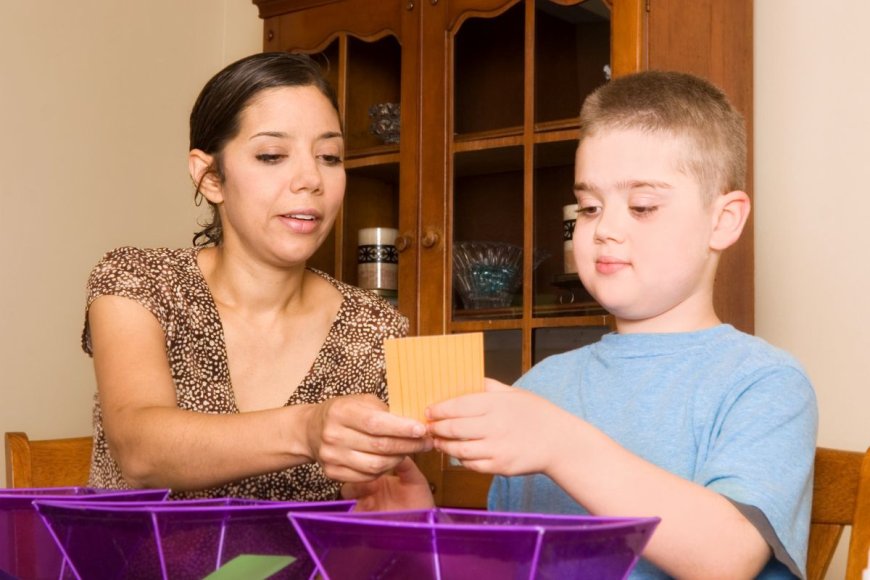
One of the most valuable aspects of home ABA therapy is parent and caregiver involvement. Parents can observe sessions, ask questions, and receive hands-on training from ABA professionals. They learn how to implement the same evidence-based strategies, so progress continues even after the therapist leaves.
This consistent reinforcement of skills across people and settings accelerates growth and reduces reliance on long-term therapy.
4. Greater Convenience and Flexibility
Families juggling work, school, and appointments often find it difficult to commute to a clinic multiple times a week. Home-based services eliminate this challenge, saving time and reducing stress.
Additionally, therapy hours can be more flexible, including evenings or weekends, depending on the provider. This ensures children receive the support they need without compromising the familys schedule.
5. Immediate Application of Skills
Whether its learning how to request a favorite toy, follow a chore chart, or take turns with a sibling, ABA therapists help children apply new skills right away. Practicing within the home setting allows these skills to become part of the childs daily lifenot just something they do during therapy.
This immediate application builds real-world success and faster independence.
Who Can Benefit from Home-Based ABA Therapy?
Home ABA therapy is suitable for a wide range of children, especially those who:
-
Thrive better in familiar surroundings
-
Experience anxiety or sensory overload in clinical settings
-
Need support with daily routines or transitions
-
Have difficulties generalizing skills learned outside the home
Children with ASD, developmental delays, ADHD, or other behavioral concerns can benefit significantly from in-home ABA sessions tailored to their unique learning style and environment.
What Does a Typical Session Look Like?
A typical home-based ABA therapy session may include:
-
Structured teaching: Direct instruction of specific skills using reinforcement
-
Natural environment training: Teaching within the context of normal routines
-
Behavior intervention: Managing challenging behaviors using proactive strategies
-
Parent coaching: Equipping caregivers with tools and strategies
-
Data collection: Ongoing tracking of progress by the therapist
Sessions can last anywhere from 1 to 4 hours and are usually scheduled multiple times per week, based on the childs treatment plan.
Choosing the Right Provider
To ensure success, its important to choose a qualified and compassionate ABA provider. Look for agencies that:
-
Employ certified and experienced BCBAs
-
Offer comprehensive assessments and personalized treatment plans
-
Emphasize caregiver involvement and training
-
Maintain clear communication and measurable progress tracking
-
Are responsive and flexible to family needs
Ask about background checks, training processes, and how therapists are supervised. A strong provider-partner relationship creates a foundation of trust and transparency.
Looking for ABA providers in Maryland? We offer personalized, in-home ABA therapy to support your childs growth and development.
Final Thoughts
ABA therapy at home offers a powerful combination of comfort, customization, and proven effectiveness. By meeting children where they areliterally and figurativelyit helps them build meaningful skills that enhance their independence and quality of life.
When families feel supported and children feel safe, growth naturally follows. Home-based ABA therapy isnt just a treatmentits a partnership that empowers children and parents alike on the journey toward greater confidence, communication, and connection.