




























Termite Treatments That Work: Protecting Your Home from the Silent Destroyers
Termite Treatments

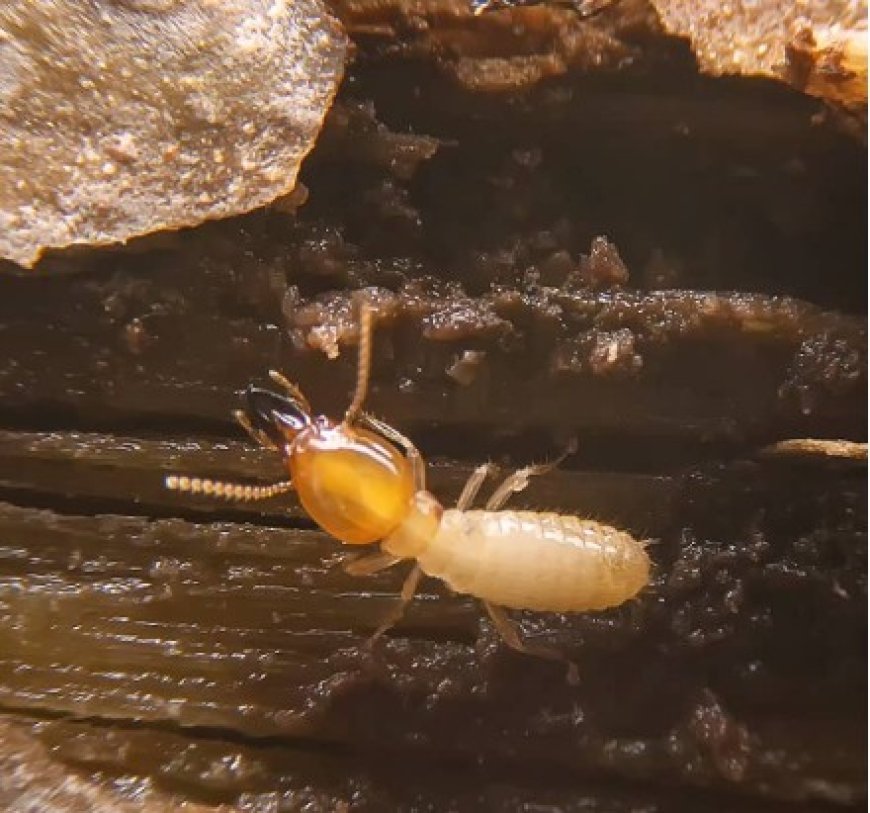
When it comes to protecting your home, few threats are as silentand as costlyas termites. These small but destructive pests can cause thousands of dollars in structural damage before you even realize theyre there. Thats why understanding and investing in the right termite treatments is critical for every homeowner.
Whether youre dealing with an active infestation or looking to prevent one, this guide will walk you through the most effective termite treatment options available today and how to choose the right solution for your home.
Why Termites Are a Serious Problem
Termites feed on cellulose, which is found in wood, paper, and even some fabrics. Once they enter a home, they silently chew through wooden beams, flooring, and drywalloften for months or yearsbefore noticeable signs appear.
Some of the common signs of a termite infestation include:
-
Hollow-sounding wood
-
Buckling floors or walls
-
Discarded wings near windows or doors
-
Mud tubes along walls or foundation
-
Frass (termite droppings that resemble sawdust)
Because they often work behind the scenes, by the time you spot the warning signs, the damage may already be significant. Thats why prompt and effective termite treatment is essential.
Types of Termite Treatments
There is no one-size-fits-all solution when it comes to termite control. The best treatment depends on the type of termite, the severity of the infestation, and the construction of the property. Here are the most common and effective methods:
1.Liquid Termiticides (Barrier Treatments)
Liquid termiticides are applied to the soil around the homes foundation, creating a protective barrier that either repels or kills termites. This is a common preventative and corrective method for subterranean termites, which live in the soil.
Pros:
-
Long-lasting protection (up to 10 years)
-
Non-invasive to home interiors
-
Effective for both active infestations and prevention
Cons:
-
Requires trenching or drilling
-
Must be applied by licensed professionals
2.Termite Bait Systems
Bait stations are placed around the perimeter of your home. Termites feed on the bait and bring it back to the colony, where it gradually eliminates the population.
Pros:
-
Environmentally friendly
-
Less disruptive than liquid treatments
-
Monitors ongoing termite activity
Cons:
-
Slower results compared to liquid treatments
-
Requires regular monitoring and maintenance
3.Fumigation (Tenting)
For severe infestations, especially of drywood termites, fumigation may be necessary. This involves sealing the entire structure and releasing a gas that penetrates wood and eliminates all termites inside.
Pros:
-
Highly effective for widespread infestations
-
Kills termites throughout the entire structure
Cons:
-
Requires temporary relocation (13 days)
-
Does not prevent future infestations
-
No residual protection
4.Wood Treatments
These involve applying termiticides or borate-based solutions directly to wooden surfaces, making them toxic or repellant to termites.
Pros:
-
Useful for new construction or minor infestations
-
Provides long-term protection for treated wood
Cons:
-
Limited to accessible areas
-
Not effective as a stand-alone solution for large infestations
Choosing the Right Treatment for Your Home
Selecting the best termite treatment depends on several factors:
-
Type of Termites: Subterranean, drywood, and dampwood termites all require different approaches.
-
Extent of Infestation: Early-stage infestations may be handled with localized treatments, while severe cases need full-scale solutions like fumigation.
-
Home Structure: Foundation type, accessibility, and surrounding soil all impact the recommended treatment.
-
Budget and Preferences: Some homeowners prefer eco-friendly solutions, while others prioritize speed or long-term protection.
A licensed termite control professional will assess your situation and recommend a treatment plan tailored to your needs.
Preventing Future Termite Problems
Even after a successful treatment, termite prevention is key to long-term peace of mind. Here are some effective steps you can take:
-
Keep wood away from your foundation (firewood, mulch, etc.).
-
Fix leaks and eliminate moisture buildup around the home.
-
Seal cracks in your homes foundation and walls.
-
Schedule annual inspections by a termite professional.
-
Install bait stations or monitoring systems if in a high-risk area.
Final Thoughts
When it comes to termites, early action can save you thousands of dollars in repairs and preserve your homes value. With todays advanced termite treatment optionsranging from eco-friendly baits to powerful liquid barriersyou can choose the solution that best fits your home and lifestyle.